A septic system is a biological process in a concrete box. It handles human waste and toilet paper, because those are what it was designed around. Almost everything else either does not break down or actively interferes with the bacteria doing the work.
Here is the list, worst first, with what each one actually does.
1. Wipes — including "flushable" ones
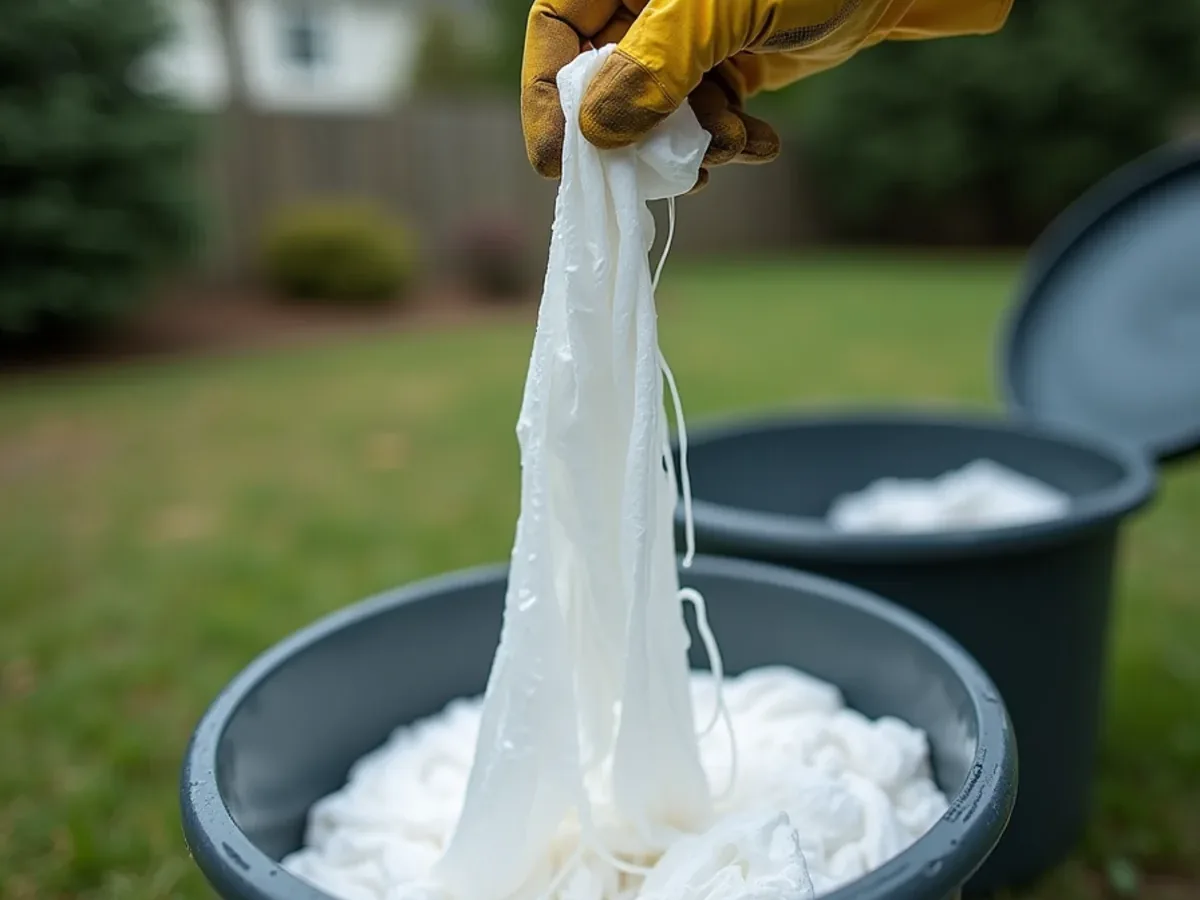
This is number one by a very large margin. No wipe currently on the market breaks down the way toilet paper does. They stay intact, snag on any imperfection in the line, and then catch everything behind them.
In the tank they never decompose, so they take up capacity permanently until somebody pumps them out. In the line to the tank they form the ropey masses that cause most of the blockages we clear. The word "flushable" on the package means it will physically go down the drain, not that it will break down afterward.
2. Grease, fats, and cooking oil
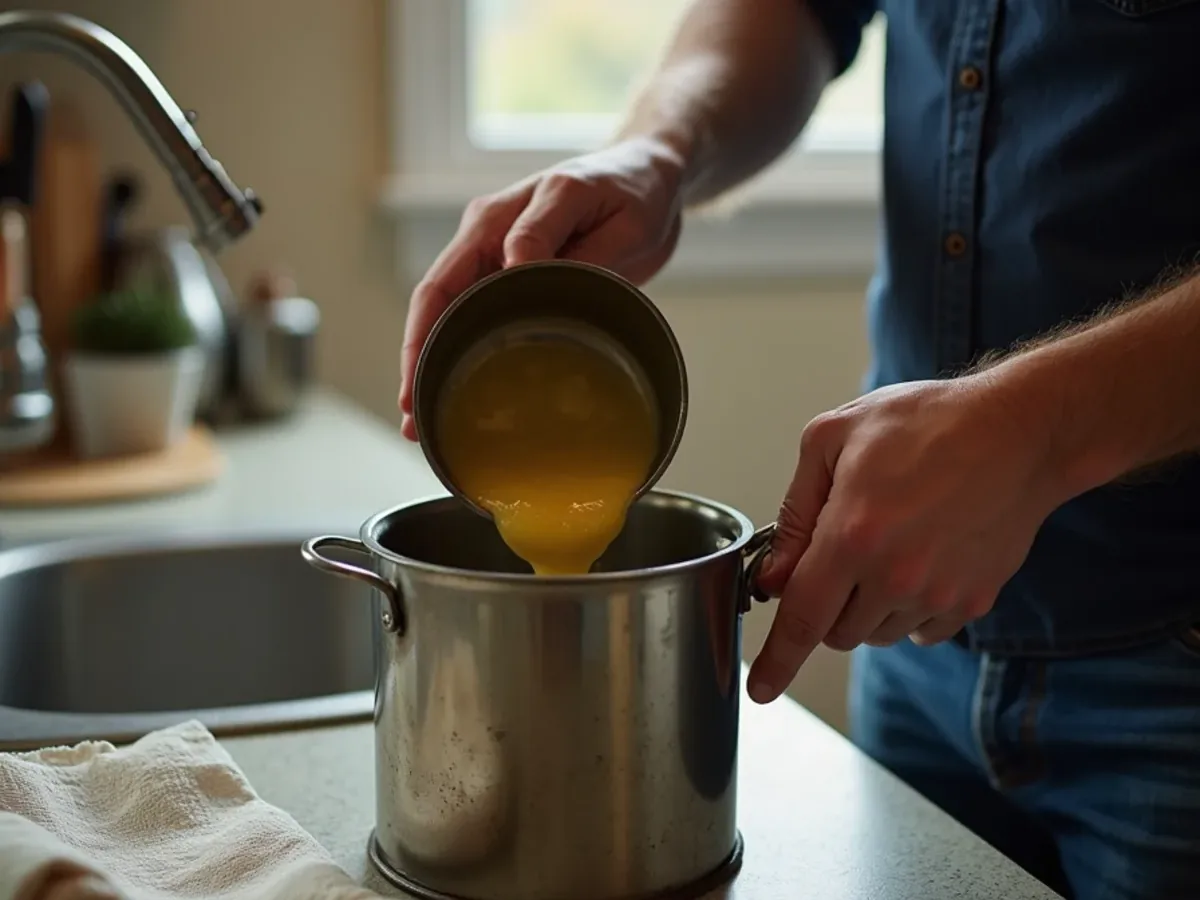
Grease poured down a sink cools and solidifies. In the tank it thickens the scum layer, reducing capacity and eventually reaching the outlet. In the drain field it coats soil particles and reduces the soil's ability to absorb effluent — which is the mechanism by which the whole system works.
Pour cooled grease into a can and throw it away. Wipe greasy pans with a paper towel before washing them. It is the highest-value five-second habit in the house.
3. Chemical drain cleaners
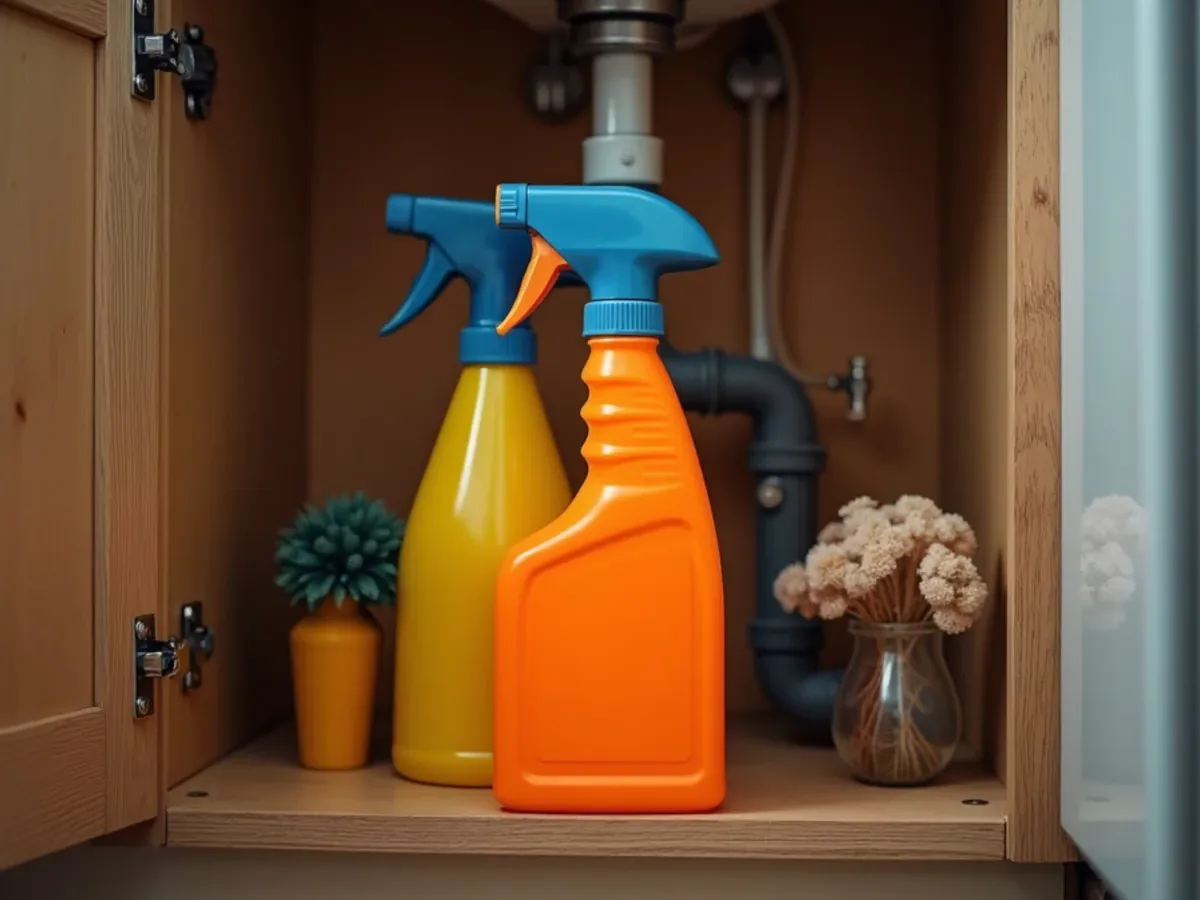
Caustic and acid drain cleaners kill the bacterial colony that breaks down solids in the tank. A system with a suppressed bacterial population accumulates sludge faster and processes less, which shortens the interval between pump-outs and pushes more material toward the field.
They are also hard on older metal pipe. For clogs, mechanical clearing removes material rather than dissolving it. Our drain cleaning page explains why we do not carry the stuff.
4. Paper towels and tissues
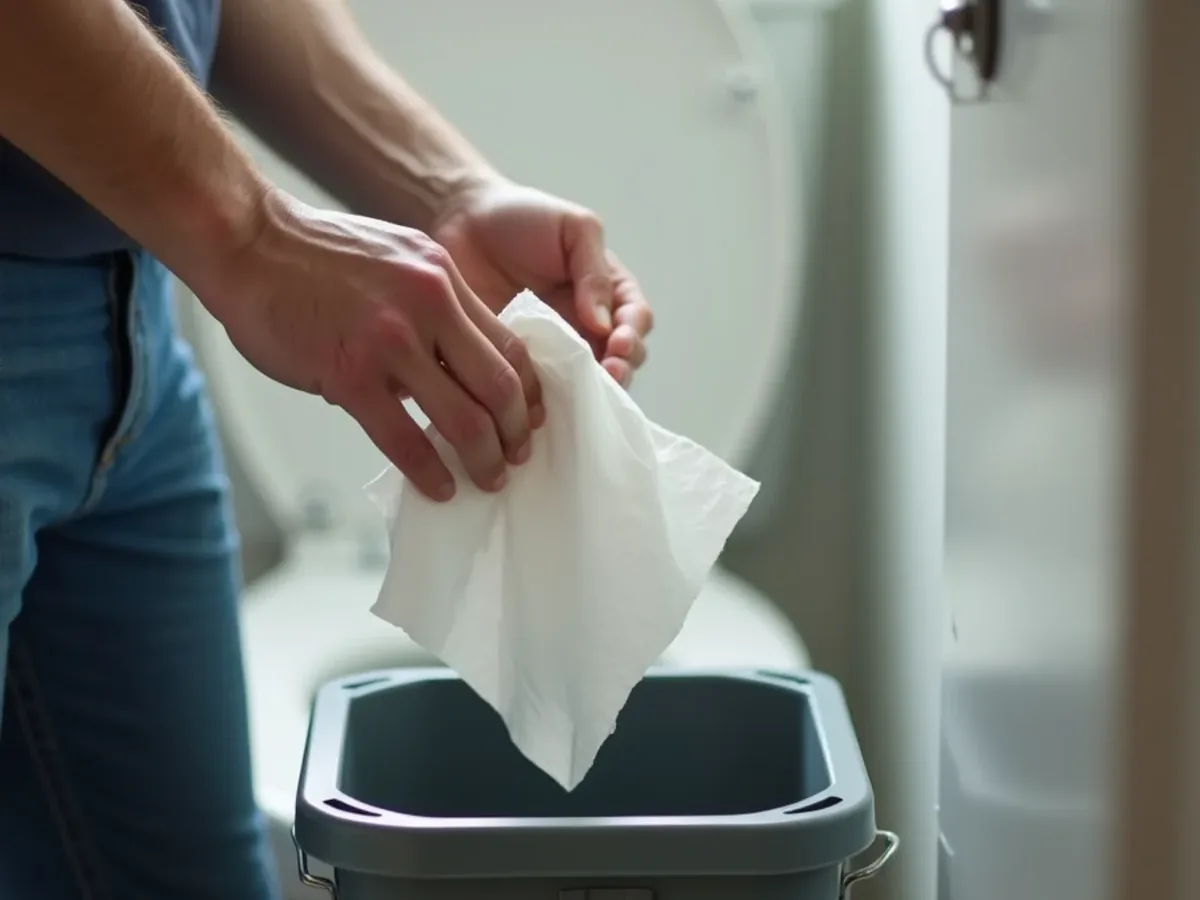
They are engineered to hold together when wet, which is the opposite of what toilet paper is designed to do. They behave like wipes in the line and in the tank.
5. Feminine hygiene products
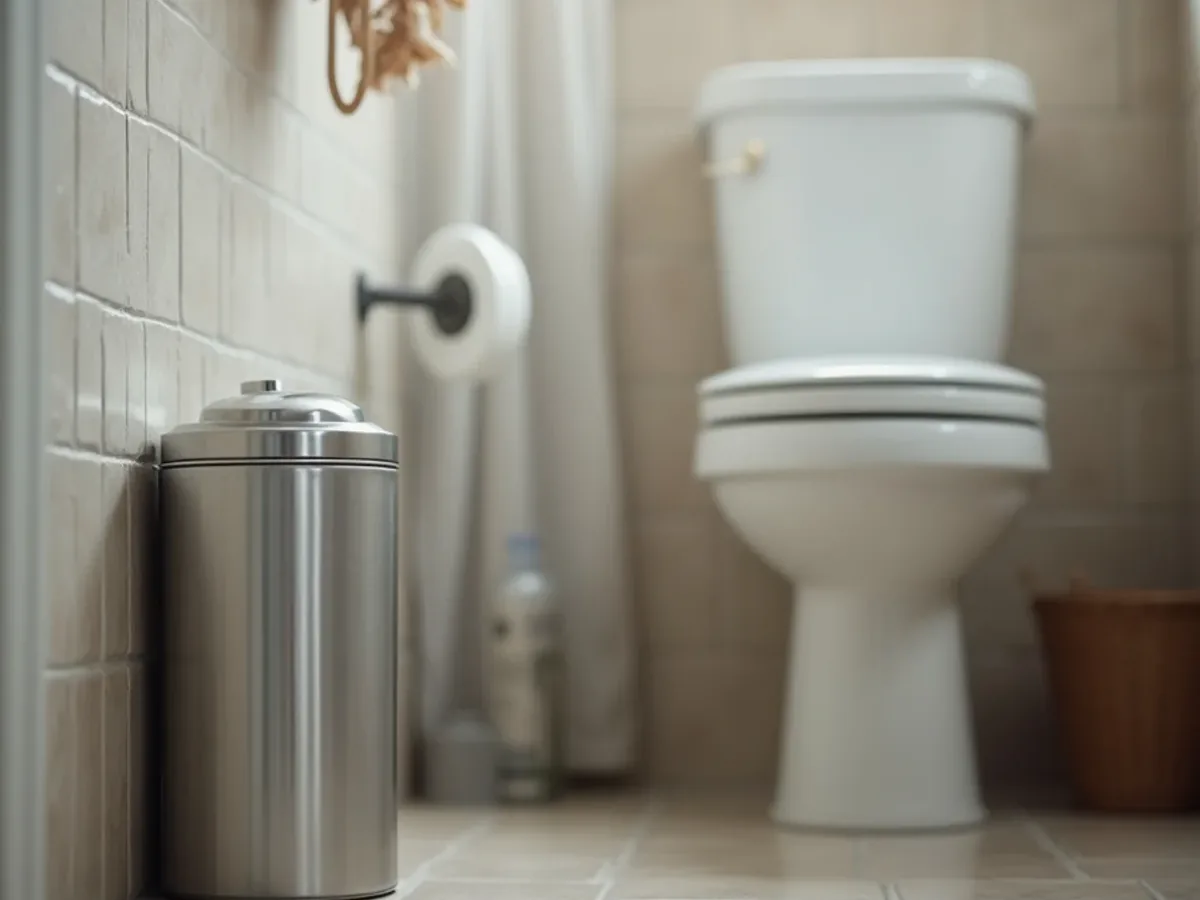
Designed to absorb and expand, and made from materials that do not decompose in a tank. They are a common finding when we pump older systems, and they contribute directly to how quickly a tank fills.
6. Cat litter
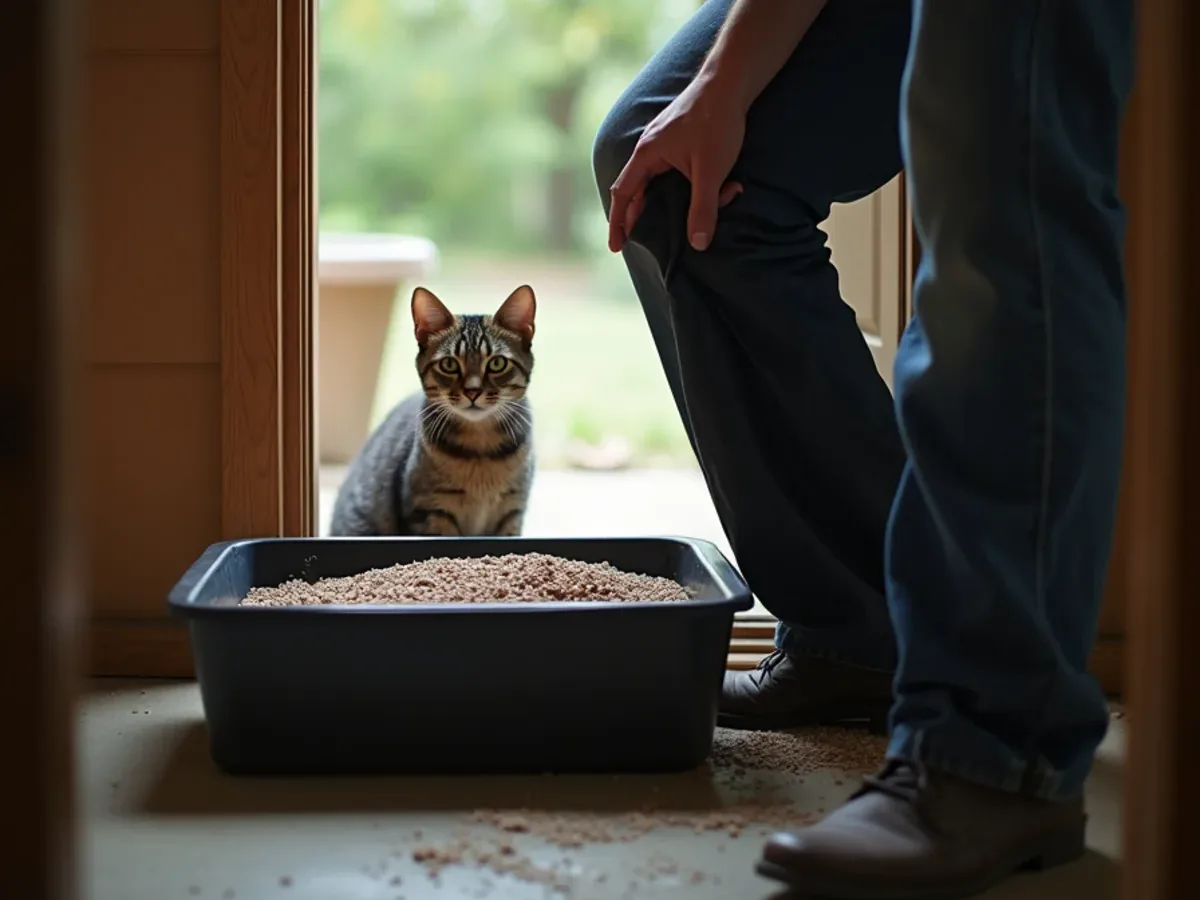
Even the varieties sold as flushable. Clay-based litter is inert mineral matter that settles straight into the sludge layer and never breaks down, and clumping litter does exactly what its name suggests inside a drain line.
7. Coffee grounds
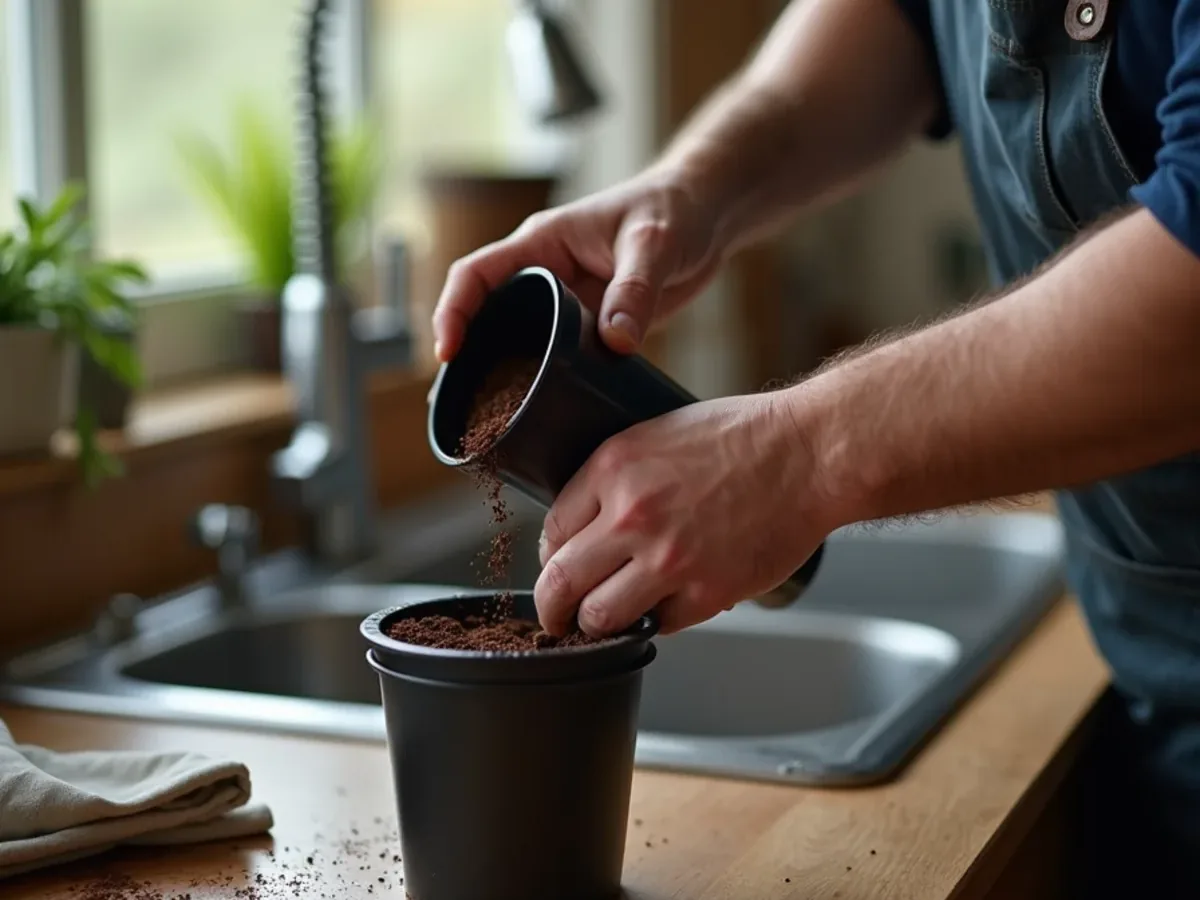
They break down extremely slowly and settle to the bottom of the tank as a dense layer. Households that dump grounds down the sink daily add measurably to their sludge accumulation rate.
8. Medications
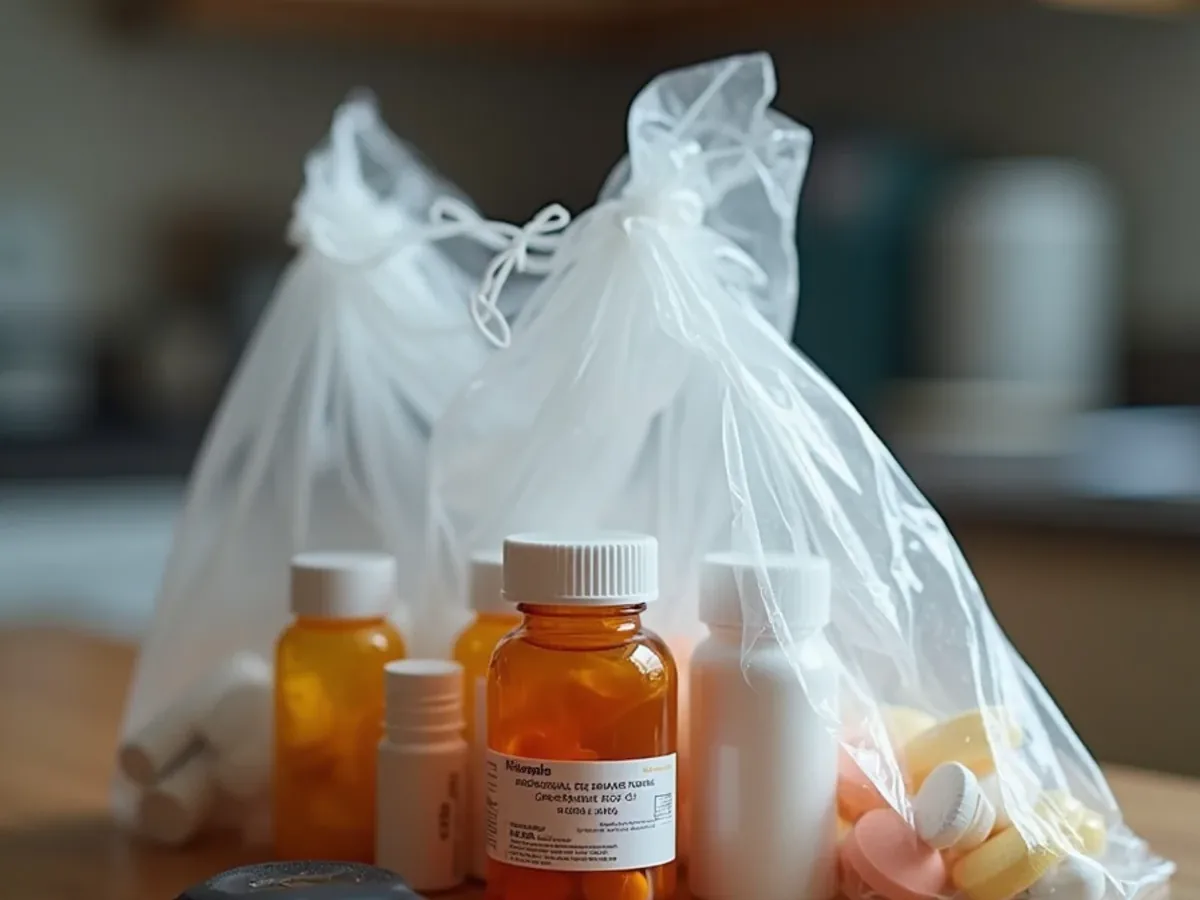
Antibiotics in particular. The tank works because of a bacterial population, and flushing antibiotics suppresses it. Beyond the system, pharmaceuticals pass through septic treatment and reach groundwater — which matters a great deal on a property with a well.
Take unused medication to a pharmacy or a community take-back program instead.
9. Paint, solvents, and automotive fluids
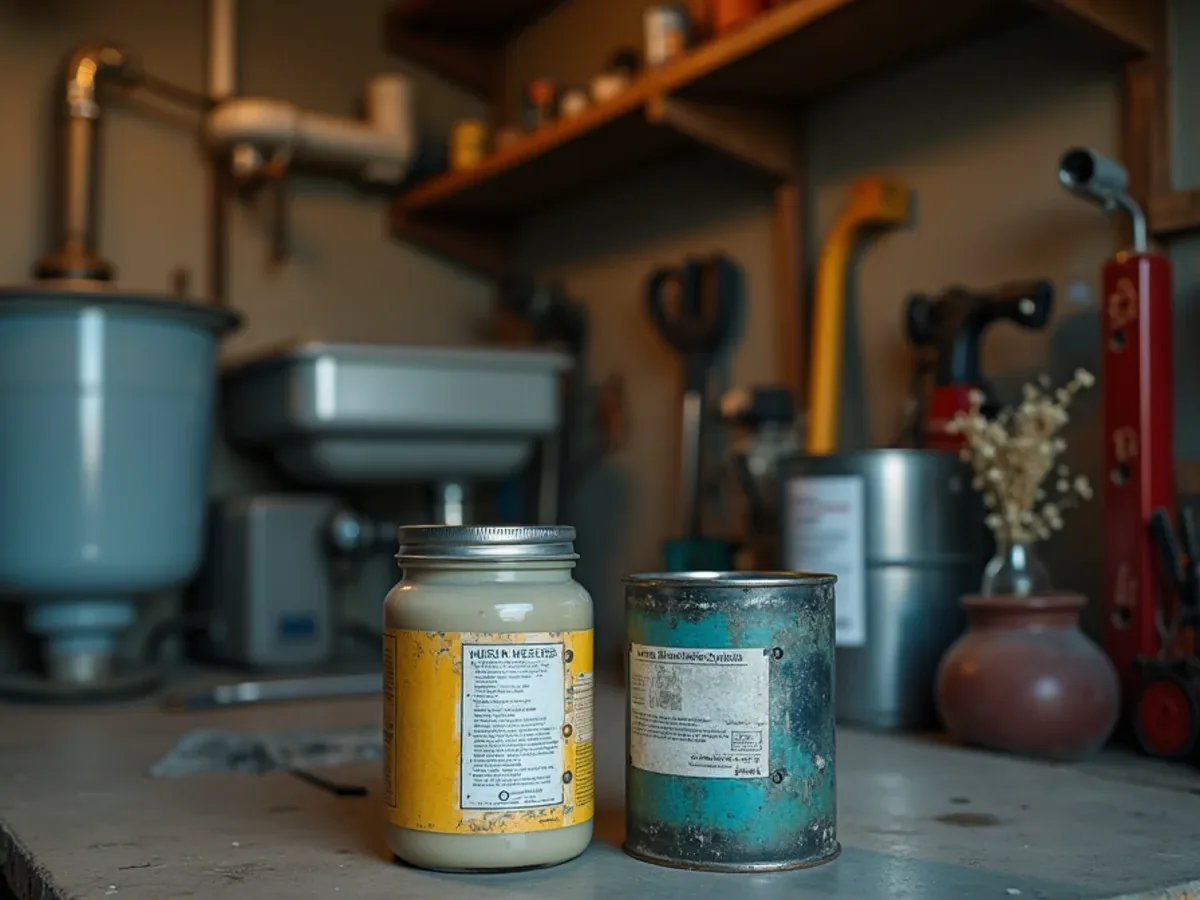
Toxic to the bacterial population, and they do not stay in the tank — they move into the drain field and then into groundwater. If your property has a well, this is a direct contamination risk to your own drinking water.
10. Dental floss, cotton swabs, and hair
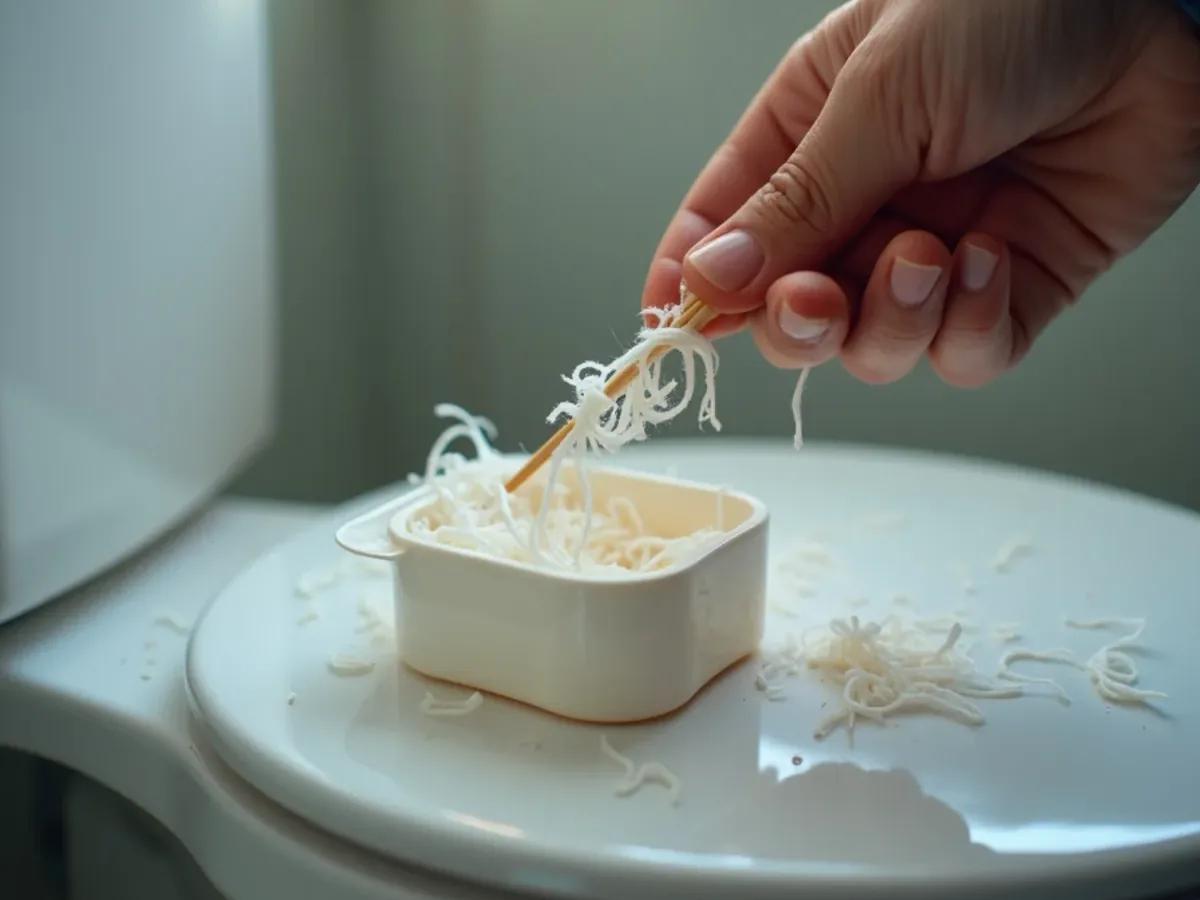
The small stuff people never think about. Floss is essentially a net that catches everything else. Cotton swabs do not break down. Hair binds with grease into the mats that block lines.
What about garbage disposals?
They are not forbidden, but they are hard on a septic system. Food waste enters the tank as solids that break down slowly, and heavy disposal use can shorten a pumping interval by a year or more.
If you have a disposal and a septic system, use it sparingly, scrape plates into the trash first, and expect to pump more often. Our guide on how often to pump a septic tank in Tennessee covers how much difference it actually makes.
What about septic additives?
Short answer: they do not replace pumping and some of them cause harm. The long answer is in our article on whether septic tank additives actually work.
If something has already gone down
One incident is not a crisis. Sustained habits are what cause failures. If you have inherited a house where the previous owners flushed everything, the sensible move is a pump-out and inspection to see what is actually in the tank and whether the field has taken damage.
We do that across Ooltewah, Apison, Birchwood and the surrounding communities. Book a septic pumping and inspection and we will tell you honestly what we find.
Frequently asked
Yes, and it is not close. No wipe currently sold breaks down the way toilet paper does. They remain intact in the line and in the tank, taking up capacity permanently and forming the masses that cause most of the blockages we clear. The label refers to whether it will go down the drain, not whether it will decompose afterward.
Normal household use — laundry and routine cleaning — is generally fine, because it dilutes substantially by the time it reaches the tank. What causes problems is heavy, concentrated use, such as pouring bleach down drains regularly or using it as a drain cleaner. That suppresses the bacterial population the system depends on.
You can, but it shortens your pumping interval. Food waste enters the tank as solids that break down slowly, adding to the sludge layer. If you use one heavily, expect to pump roughly a year sooner than you otherwise would, and scrape plates into the trash before rinsing.
Need someone to actually look at it?
We are a licensed plumber and septic technician based in Ooltewah, serving Hamilton, Bradley and the surrounding counties. Free estimates on every job, and an honest answer about whether you need the work at all.