
Plumbing service
Leak Detection & Repair in Ooltewah, TN
We find the leak before we open anything — electronic detection, acoustic listening, and thermal imaging instead of guesswork and drywall.
The most expensive leaks are the ones you cannot see. A dripping faucet announces itself. A supply line weeping under a slab does not — it quietly runs for months, doubles your water bill, softens the soil under your foundation, and the first visible sign is often a warm spot on the floor or a crack that was not there last year.
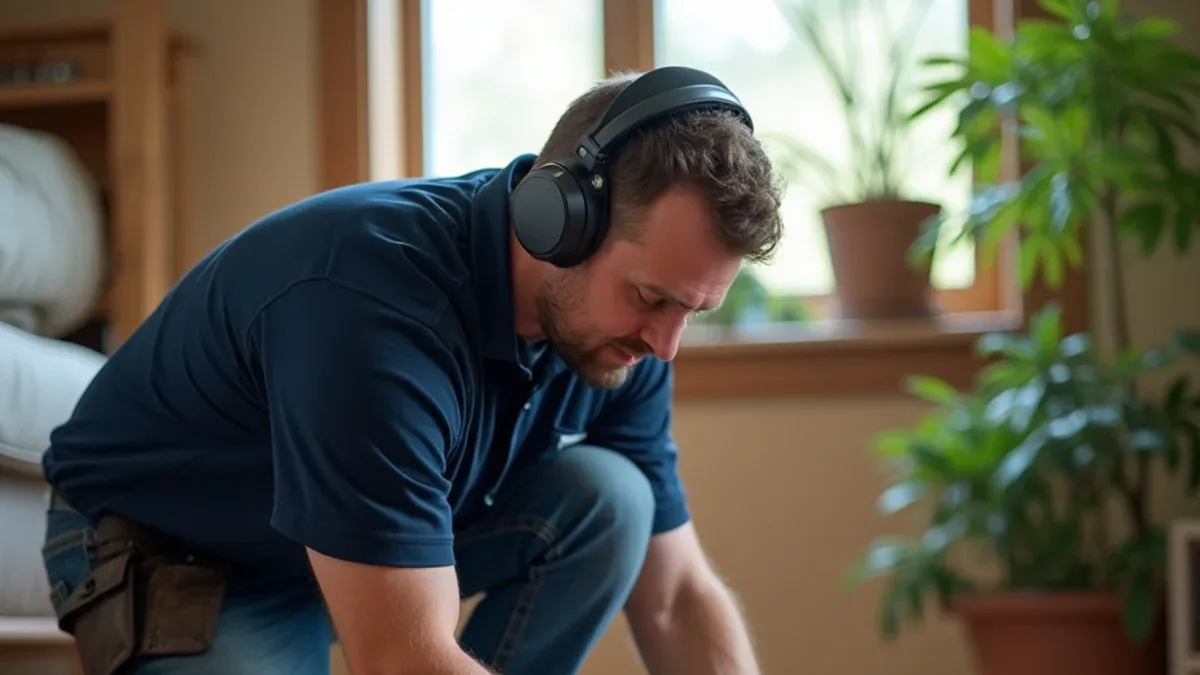
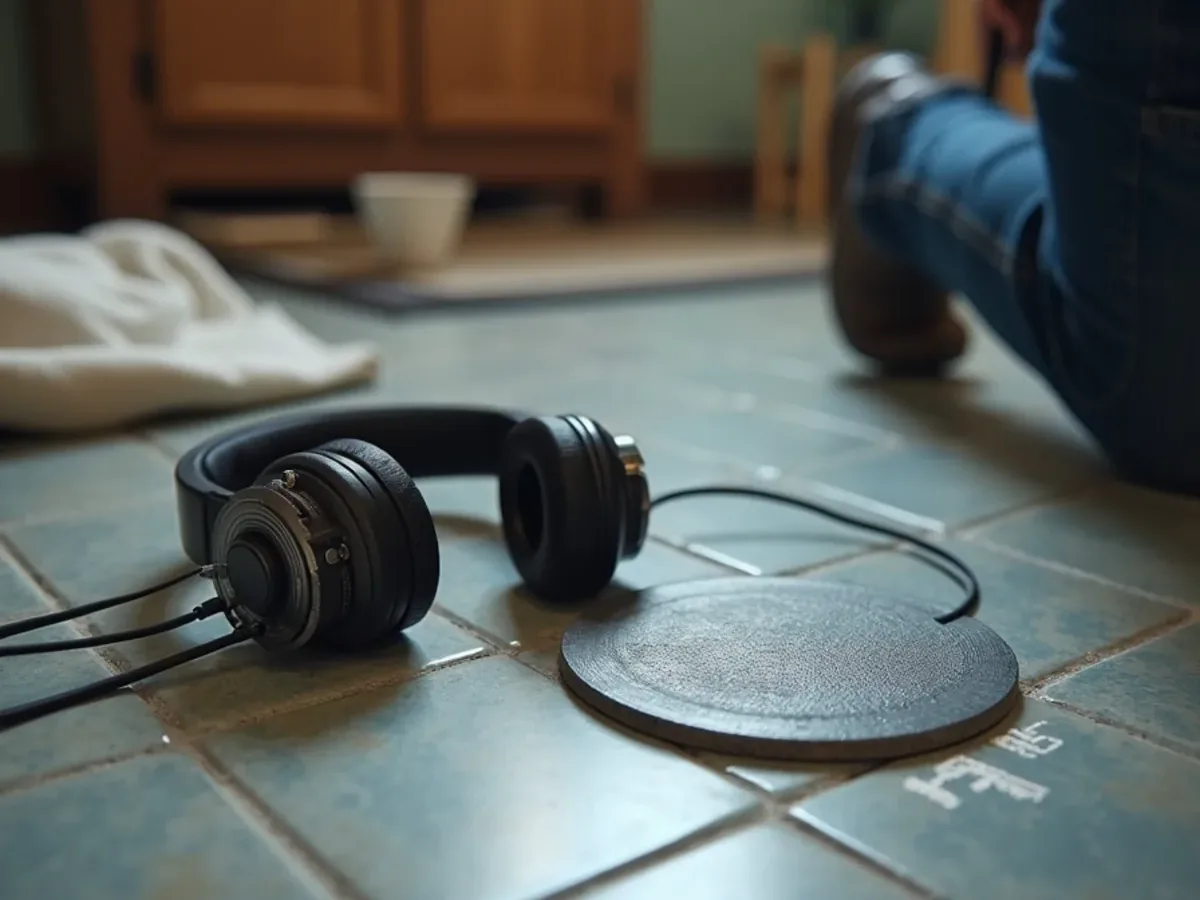
Finding those leaks is a specific skill with specific equipment. Acoustic listening devices pick up the sound of pressurized water escaping a pipe through concrete. Thermal imaging shows the temperature signature of a hot-water leak under flooring. Pressure isolation tells us which side of the system is losing water. Between them we can usually put a mark on the floor within a small area.
The alternative — opening walls and floors until you find it — is what we are here to avoid. Every square foot we do not have to open is money you keep.
Signs of a hidden leak
A water bill that jumped with no change in habits
The clearest signal there is. Compare against the same month last year, not last month, so seasonal irrigation does not confuse the picture.
The sound of running water with everything off
Stand in a quiet house at night. If you can hear water moving with every fixture closed, something is running.
A warm spot on the floor
A hot water line leaking under a slab heats the concrete above it. This is one of the most reliable slab leak indicators.
Persistent low water pressure
A leak bleeds off pressure continuously. If pressure has dropped gradually across the whole house, a leak is on the list of causes.
Musty smell or unexplained mold
A slow leak inside a wall or under flooring creates exactly the conditions mold needs, often long before any water shows.
New cracks in floors or walls
Water under a slab moves soil. Cracks in tile, floors that feel uneven, or doors that suddenly stick can all trace back to a leak.
How we work
How we find a hidden leak
- 1
Confirm there is a leak at all
We shut everything off and watch the meter. If the low-flow indicator is turning with no fixtures open, water is escaping somewhere. That takes five minutes and rules out a billing error.
- 2
Isolate the side
By closing valves and pressure-testing sections, we determine whether it is the supply side, the irrigation system, or a fixture. This narrows the search enormously.
- 3
Acoustic survey
Ground microphones and listening discs pick up the distinctive sound of pressurized water escaping. On a slab we work a grid until the signal peaks.
- 4
Thermal imaging
For hot-water leaks, a thermal camera shows the heat plume through flooring and drywall. It is fast, and it is completely non-destructive.
- 5
Mark and confirm
We mark the location and, where it matters, cross-check with a second method before anyone cuts anything.
- 6
Repair with the least damage
Spot repair through a small opening, a reroute above the slab, or in bad cases a partial repipe. We present the options with costs.
Need leak detection & repair in Ooltewah or nearby?
Free estimate, written price before work starts, and an honest answer about whether you need the job at all.
- Licensed septic technician
- 22 Google reviews
- Free estimates on every job
- Locally owned & operated
Why slab leaks happen in this area
A great many homes around Ooltewah, Collegedale, and East Brainerd are built on concrete slabs with the water supply lines run underneath. When those lines are copper — standard in construction from the 1970s through the 1990s — they are exposed to whatever the surrounding soil chemistry does to them for decades.
The failure mode is pinhole corrosion. Soil conditions, stray electrical current, and abrasion where a line rubs against the slab all thin the copper wall at a point until it perforates. Hot-water lines fail more often than cold, because heat accelerates the chemistry and the pipe expands and contracts against the concrete with every use cycle.
Water pressure is an accelerant people underestimate. Municipal pressure above roughly 80 psi puts continuous stress on every joint and fitting in the house. A pressure-reducing valve is inexpensive and it protects the whole system — if you have never checked your static pressure, that is a five-minute test worth doing.
The important nuance: one pinhole in a thirty-year-old copper system is rarely the last one. When we find the first, we will tell you honestly whether spot repair or a planned reroute is the better use of your money.
Find your own leaks in fifteen minutes
Start at the meter. Turn off every fixture and appliance that uses water, including ice makers and irrigation, and look at the low-flow indicator — usually a small triangle or dial that spins on any flow at all. If it moves, you have a leak.
Next, isolate the house. Close the main shutoff at the house and re-check the meter. Still moving means the leak is between the meter and the house — a service line or irrigation issue. Stopped means it is inside.
Then check the usual suspects. Put a few drops of food coloring in each toilet tank and wait fifteen minutes without flushing; color appearing in the bowl means a leaking flapper, which is the single most common water waster in any house and one of the cheapest to fix. Check under every sink, around the water heater base, and at every hose bib.
If the meter is still moving after all that, the leak is hidden and it is time to call. Our article on why your water bill is so high walks through the same process with more detail.
What leak detection and repair costs depends on
Detection and repair are priced separately because the second depends entirely on what the first finds. Free estimates on both.
- How hard the leak is to locate
- A leak under a wood floor with a crawlspace beneath is quick. A leak under a slab with tile over it takes a systematic acoustic survey.
- Hot side or cold side
- Hot-water leaks show up on thermal imaging, which speeds things considerably. Cold-water slab leaks rely entirely on acoustic work.
- Slab, wall, or underground
- An underground service line between the meter and the house is a different job again — and on those we also check for irrigation faults first.
- Repair method chosen
- Opening the slab at one point is the cheapest repair but the most disruptive. Rerouting the line overhead avoids the concrete entirely and often costs less overall.
- Flooring and restoration
- Cutting through tile, hardwood, or a finished basement floor means restoration cost beyond the plumbing. We flag that before you decide on a method.
- How many leaks there are
- A single failure in copper is a repair. Multiple pinholes across a system point at a systemic problem, and repeated spot repairs stop being economical.
We do not publish flat prices because two jobs on the same street can cost different amounts, and a quoted number that changes on arrival helps nobody. Every job starts with a free written estimate.
Questions
Leak Detection & Repair in Ooltewah — answered
The strongest indicators are a warm spot on the floor, the sound of running water with all fixtures off, an unexplained jump in your water bill, and a drop in water pressure. New cracks in tile or flooring, or a section of floor that feels damp, also point at it. The definitive test is watching the water meter with everything shut off — if it moves, water is escaping somewhere.
Yes, that is the entire point of leak detection equipment. Acoustic listening devices, thermal imaging, and pressure isolation let us locate a leak to a small area without opening anything. We only cut once we know where. Occasionally a leak in an awkward location needs a small inspection opening to confirm, and we will tell you before we make it.
For a single failure in an otherwise healthy system, a spot repair through the slab is usually the right call. For an older copper system that has already produced one or more pinholes, rerouting that line above the slab through walls and ceiling is often better value — it avoids future jackhammering and it takes the line out of the environment that caused the corrosion. We will show you both prices.
Many policies cover the resulting water damage and the cost of accessing the pipe — the concrete cutting and repair — while excluding the pipe repair itself. Coverage varies significantly between carriers. Document everything, do not throw out the failed section of pipe, and call your carrier before repairs where you can. We provide detailed photos and written findings for claims.
Most residential detections are one to three hours. A straightforward hot-water slab leak with a clear thermal signature can be located in under an hour. A cold-water leak under tile with background noise takes longer and sometimes requires returning at a quieter time of day. We charge for detection separately from repair so you are not committing to unknown work.
You might also need
Pipe Repair & Whole-House Repiping
Rusty water, chronic pinhole leaks, or failing galvanized and polybutylene pipe. We replace supply lines with modern PEX or copper.
Learn moreEmergency Plumbing
Burst pipes, sewage backups, and failed water heaters do not wait for business hours. Neither do we.
Learn moreToilet Repair & Installation
Running, weak-flushing, rocking or leaking toilets repaired, plus replacements set on a fresh seal with the shutoff valve updated while we are there.
Learn more
Leak Detection & Repair — free estimate, fair price
Call and describe what you are seeing. We will tell you what it usually means, what it will take to check, and what it is likely to cost.
- Licensed septic technician
- 22 Google reviews
- Free estimates on every job
- Locally owned & operated