
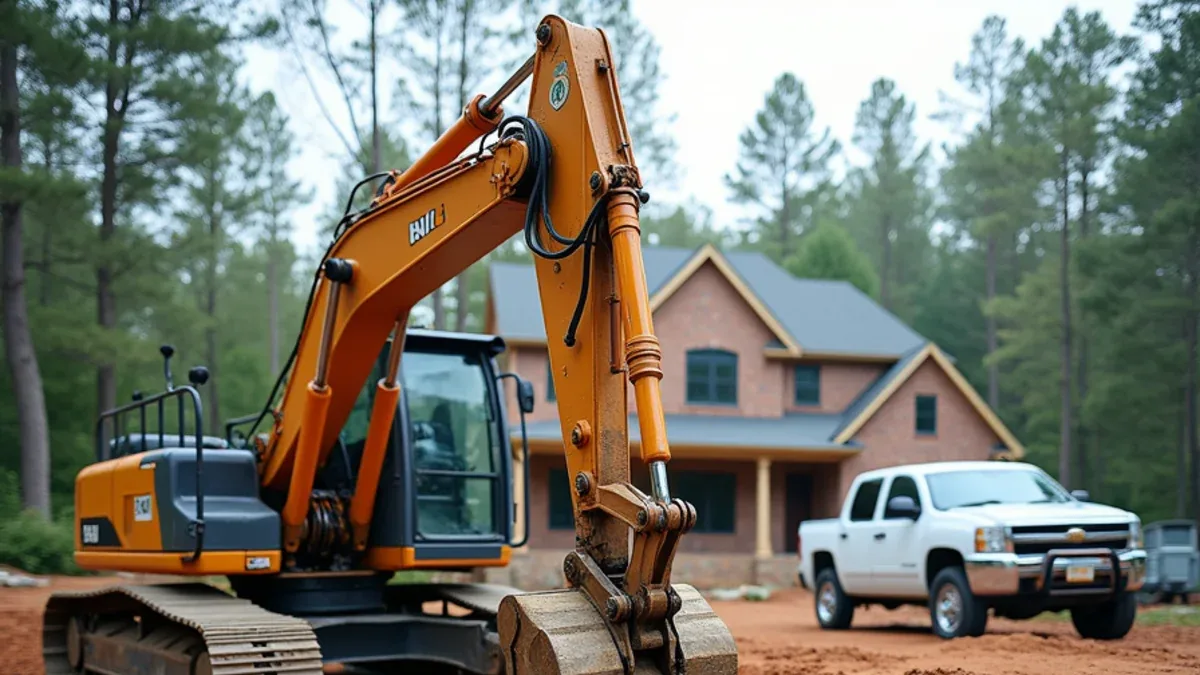
Septic service
Septic Tank Installation in Ooltewah, TN
New systems, replacements, and new-construction installs — permitted, inspected, and sized for your soil and your household.
Installing a septic system is not a plumbing job with a bigger hole. It is a soil job, a permit job, and a hydraulics job, and getting any one of the three wrong shows up years later as a wet spot in the yard. Ooltewah and Collegedale are growing fast, and a lot of the new lots going in off Apison Pike and Snow Hill Road are on ground where the soil evaluation determines the entire design.
We install new systems for new construction, replace failed systems on existing homes, and handle the paperwork with the Tennessee Department of Environment and Conservation and the Hamilton County office. You get one point of contact from the perc test through the final inspection.
If you are building, talk to us before the foundation goes in. Where the tank and field land affects your driveway, your septic reserve area, and sometimes the footprint of the house itself. That conversation is free and it has saved more than one customer a redesign.
When a new system is the right answer
Building on a raw lot
No sewer at the road means a septic system, and that starts with a soil evaluation to determine what the ground can accept.
The existing tank is cracked or collapsing
Old steel tanks rust through from the top down. Once the lid or walls fail, replacement is the only safe option — a collapsing tank is a real safety hazard.
Repeated backups after repairs
If you have pumped, cleared the line, and repaired baffles and it still backs up, the system is undersized or the field is done. Replacement stops the cycle of spending.
The house grew and the system did not
Adding bedrooms, a second bath, or an in-law suite increases the design flow. A tank sized for a three-bedroom will not carry a five-bedroom house.
A failed real estate inspection
Closings stall on septic. We do the inspection and, when replacement is the finding, we quote and permit the new system quickly.
The field is surfacing effluent
Standing effluent is a health hazard and a code violation. Sometimes the field alone can be rebuilt; sometimes the whole system needs to move.
How we work
How a septic installation actually runs
- 1
Soil evaluation and site review
A licensed soil scientist evaluates the soil profile and depth to restrictive horizon. That result — not the size of the lot — determines your field design and square footage.
- 2
Permit application
We prepare and submit the construction permit package to the state and county. Design flow is based on bedroom count, and the drawings show tank, field, and reserve area.
- 3
Layout and staking
We stake the tank, the line, and every trench before a machine moves. This is where we protect driveways, wells, property lines, and the trees you want to keep.
- 4
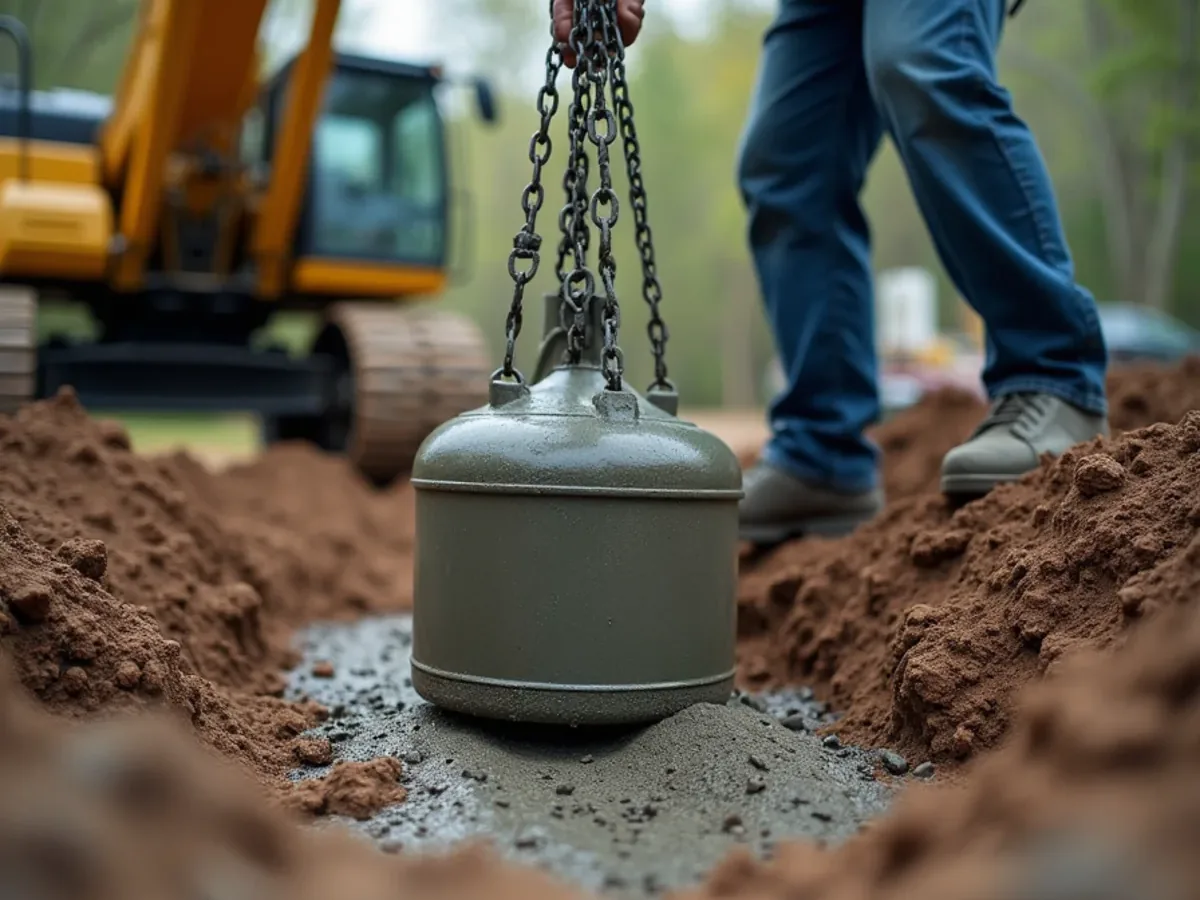
Excavation and tank set
The tank goes in level on a prepared bed, with the inlet and outlet elevations set so the system runs on gravity wherever the site allows.
- 5
Field construction
Trenches or chambers go in at the depth and spacing the permit specifies, with the stone, fabric, and distribution box the design calls for. We do not shortcut trench length.
- 6
Inspection, backfill, and restoration
The county inspects before cover. Then we backfill, grade for positive drainage away from the field, and leave the site seeded and clean.
Need septic tank installation in Ooltewah or nearby?
Free estimate, written price before work starts, and an honest answer about whether you need the job at all.
- Licensed septic technician
- 22 Google reviews
- Free estimates on every job
- Locally owned & operated
Conventional, low-pressure, and advanced systems
A conventional gravity system is the goal on every site because it has no moving parts, no power draw, and the longest service life. Effluent leaves the tank, hits a distribution box, and gravity spreads it through stone-filled trenches. When the soil evaluation supports it, that is what we build.
When it does not, Tennessee allows several alternatives. Low-pressure pipe systems dose small amounts of effluent through small-diameter pipe under pressure, which spreads the load evenly across shallow soil. Drip dispersal goes shallower still and works on tight sites. Mound systems build the treatment layer above native grade when depth to rock or water table is the limiting factor.
Each of these costs more to install and requires a pump, a panel, and an alarm you will need to respond to. We explain the trade-offs before you commit, including what maintenance looks like ten years out.
Building in Ooltewah or Collegedale? Read this first
The subdivisions going in around Cambridge Square, Hampton Creek, and out toward Apison have tightened lot sizes considerably. On a smaller lot, the septic reserve area — the second field location the county requires you to keep available — is often the constraint that dictates where your house can sit.
Two practical points. First, get the soil evaluation done before you close on the lot, not after. We have seen buyers discover a site needs a mound system after the purchase, and that is a five-figure surprise. Second, protect the field area during construction. Driving a loaded concrete truck across the future drain field compacts the soil and can ruin a site that evaluated fine.
For a broader look at building here, see our guide on septic installation for new construction in Hamilton County.
What drives septic installation cost in Hamilton County
Installation is the largest single investment most septic owners make, so we walk every line item with you before you sign. No allowances that balloon later. Free estimates on every install.
- Soil evaluation results
- Good soil means a conventional gravity field and the lowest cost. Poor perc or shallow bedrock pushes you toward low-pressure pipe, drip, or a mound system, which cost considerably more.
- Design flow (bedroom count)
- Tennessee sizes systems by bedrooms, not by how many people live there today. A four-bedroom design requires more tank and more field than a three.
- Site access and slope
- A flat, open lot is straightforward. Steep grade, rock, mature trees, or a house that leaves no room between the well and the field all add engineering and machine time.
- Tank type and pumping requirements
- Concrete gravity tanks are the baseline. If the field sits uphill from the house you need a pump tank, control panel, and alarm, which adds equipment and electrical.
- Replacement versus new construction
- On a replacement we also have to remove or properly abandon the old tank and work around an existing lawn, driveway, and utilities.
- Permits and inspection fees
- State and county fees are pass-through costs. We list them separately so you can see exactly what went to the health department and what went to us.
We do not publish flat prices because two jobs on the same street can cost different amounts, and a quoted number that changes on arrival helps nobody. Every job starts with a free written estimate.
Questions
Septic Tank Installation in Ooltewah — answered
The dig itself is usually two to four days for a conventional system. The timeline that matters is the permit: soil evaluation, application, and approval typically add several weeks depending on county workload and weather. We start the permit process as soon as you give us the go-ahead so the office work runs in parallel with your other site work.
Yes. Replacing a tank, repairing a field, or altering the system all require approval in Tennessee, and an unpermitted system will surface at your next home sale. We handle the applications and coordinate the inspections as part of the job.
Tennessee sizes by bedrooms. Three bedrooms typically calls for a 1,000-gallon minimum, four bedrooms 1,250, and five 1,500, with the drain field sized off the same design flow and the soil loading rate. If you plan to finish a basement bedroom later, tell us now — sizing up during installation costs far less than replacing later.
A concrete tank installed correctly can last forty years or more. The drain field is the shorter-lived component, typically twenty to thirty years with regular pumping and reasonable water use, and much less if it is abused. Pumping on schedule and keeping vehicles off the field are the two habits that matter most.
Usually, but the design changes and so does the cost. Poor perc results push a site toward low-pressure pipe, drip dispersal, or a mound. We will show you the soil report, explain which designs the ground supports, and price them honestly so you can decide before you are committed.
You might also need
Septic Tank Pumping
Every three to five years, most Ooltewah tanks need pumping. We pump the full tank, wash down the walls, and inspect the baffles while we are in there.
Learn moreDrain Field Repair & Replacement
Standing water, odor, and backups that pumping does not fix usually mean the field. We diagnose the cause first, then rebuild only what needs rebuilding.
Learn moreSeptic System Inspection
Buying a home on septic? We open the tank, load-test the field, and give you a documented report before your inspection period runs out.
Learn more
Septic Tank Installation — free estimate, fair price
Call and describe what you are seeing. We will tell you what it usually means, what it will take to check, and what it is likely to cost.
- Licensed septic technician
- 22 Google reviews
- Free estimates on every job
- Locally owned & operated