Everybody wants a number, and we understand why. But a septic installation quote given over the phone without a soil evaluation is a guess, and guesses in this trade get revised upward once the machine is on site.
What we can do is explain exactly what drives the price, so when you get quotes you can tell whether you are comparing the same job. Here are the variables, roughly in order of impact.
1. The soil evaluation result

This is the biggest single factor and it is determined before anyone digs. A licensed soil scientist evaluates the soil profile and the depth to a restrictive horizon — rock, water table, or a dense layer the water cannot pass through.
Good soil with real depth supports a conventional gravity system: tank, distribution box, stone-filled trenches, no moving parts. That is the least expensive design and the longest-lived.
Poor results push you toward alternatives. Low-pressure pipe systems dose effluent under pressure through small-diameter pipe. Drip dispersal goes shallower still. Mound systems build the treatment layer above native grade. All three cost substantially more than conventional, and all three add a pump, a control panel, and an alarm.
2. Design flow — which means bedroom count
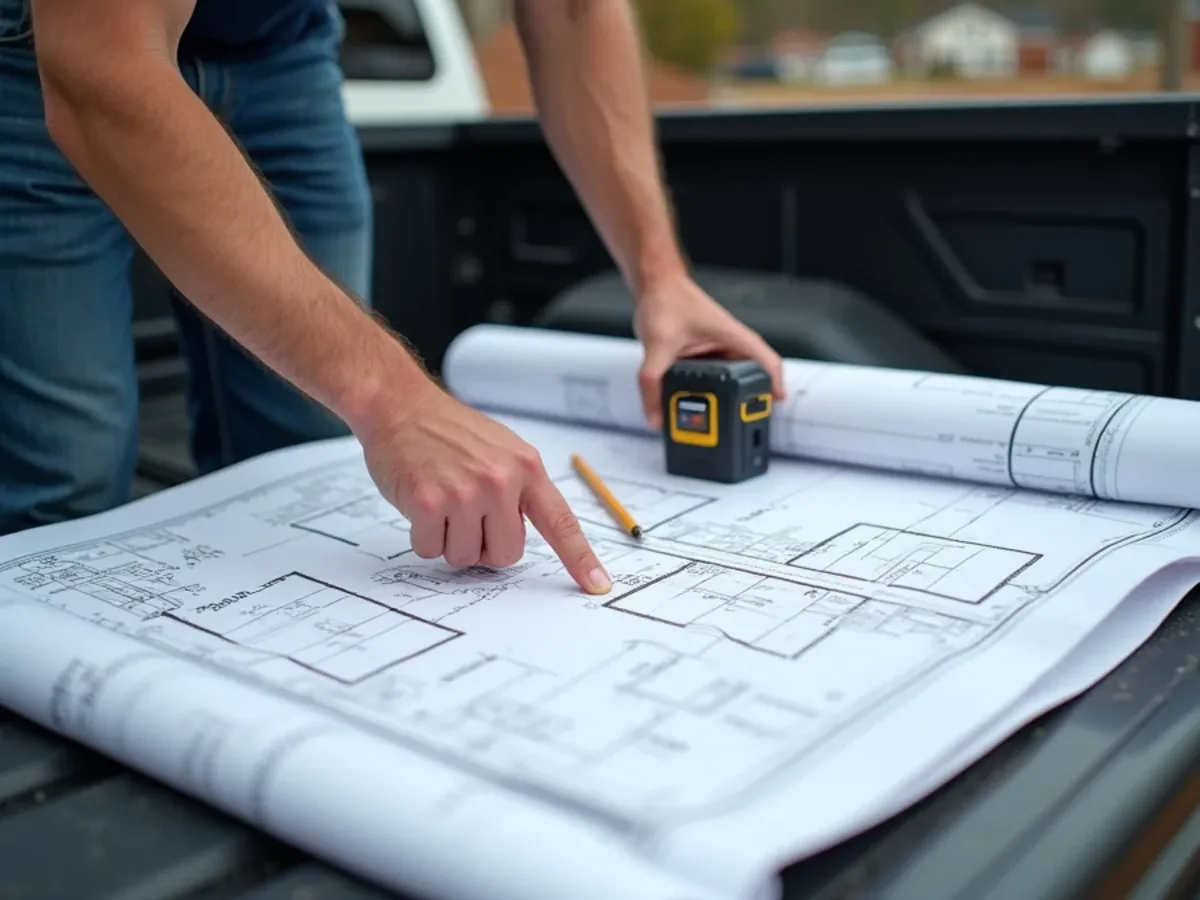
Tennessee sizes systems by number of bedrooms, not by how many people currently live there. Three bedrooms typically calls for a 1,000-gallon minimum tank, four for 1,250, and five for 1,500, with the drain field sized off the same design flow and the soil loading rate.
More bedrooms means a bigger tank and, more importantly, more trench. Trench length is where the cost lives on a field, so a four-bedroom design in tight clay can require considerably more excavation than a three-bedroom in good soil.
If you plan to finish a basement bedroom later, say so now. Sizing up during installation is far cheaper than modifying afterward.
3. Site access and terrain
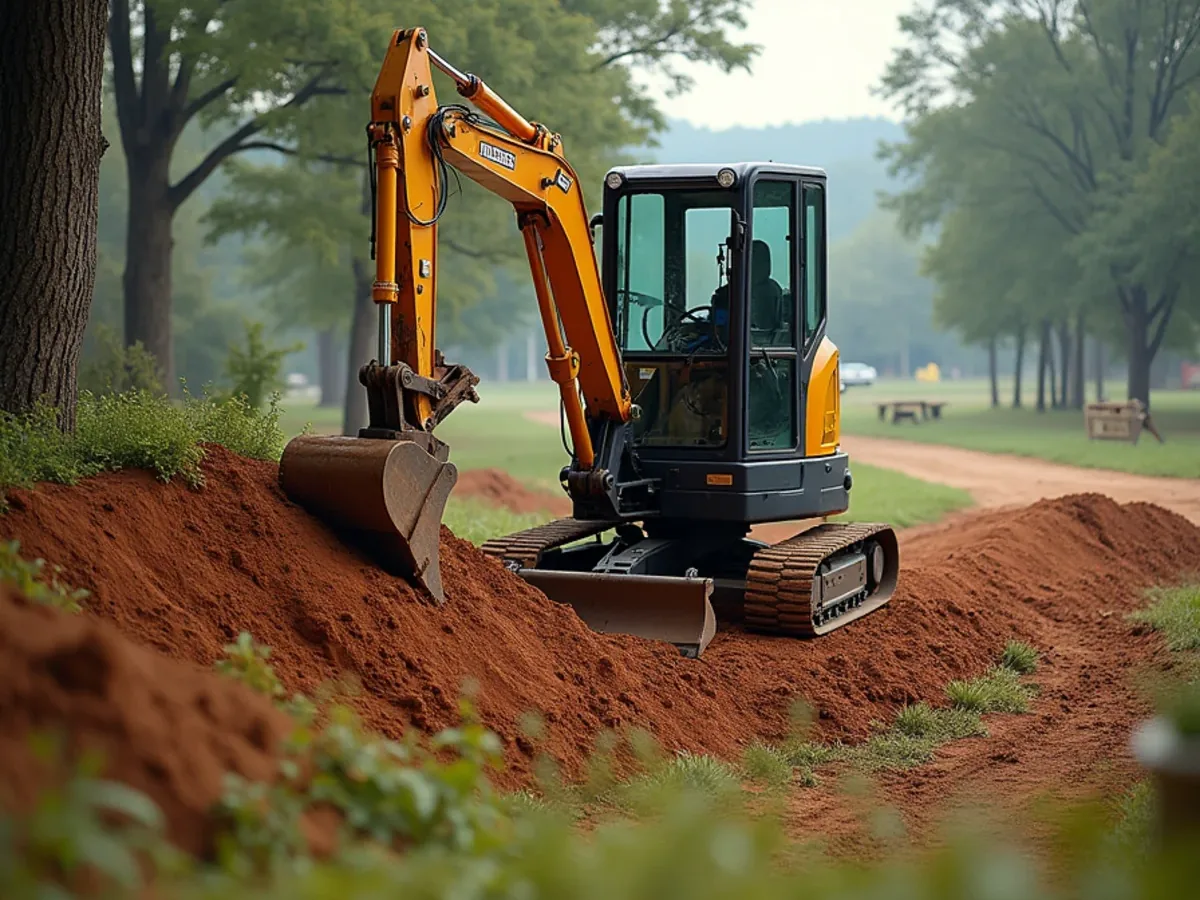
A flat, open lot with room for a machine to work is the best case. What adds cost: steep grade requiring benching or a pump system, rock requiring hammering, mature trees that have to be worked around, tight side yards, and long distances between the house and the field area.
Setbacks matter too. Every system has required separation distances from wells, property lines, structures, and water features. On a tight lot those setbacks can force the field into the harder part of the property.
4. Gravity or pump
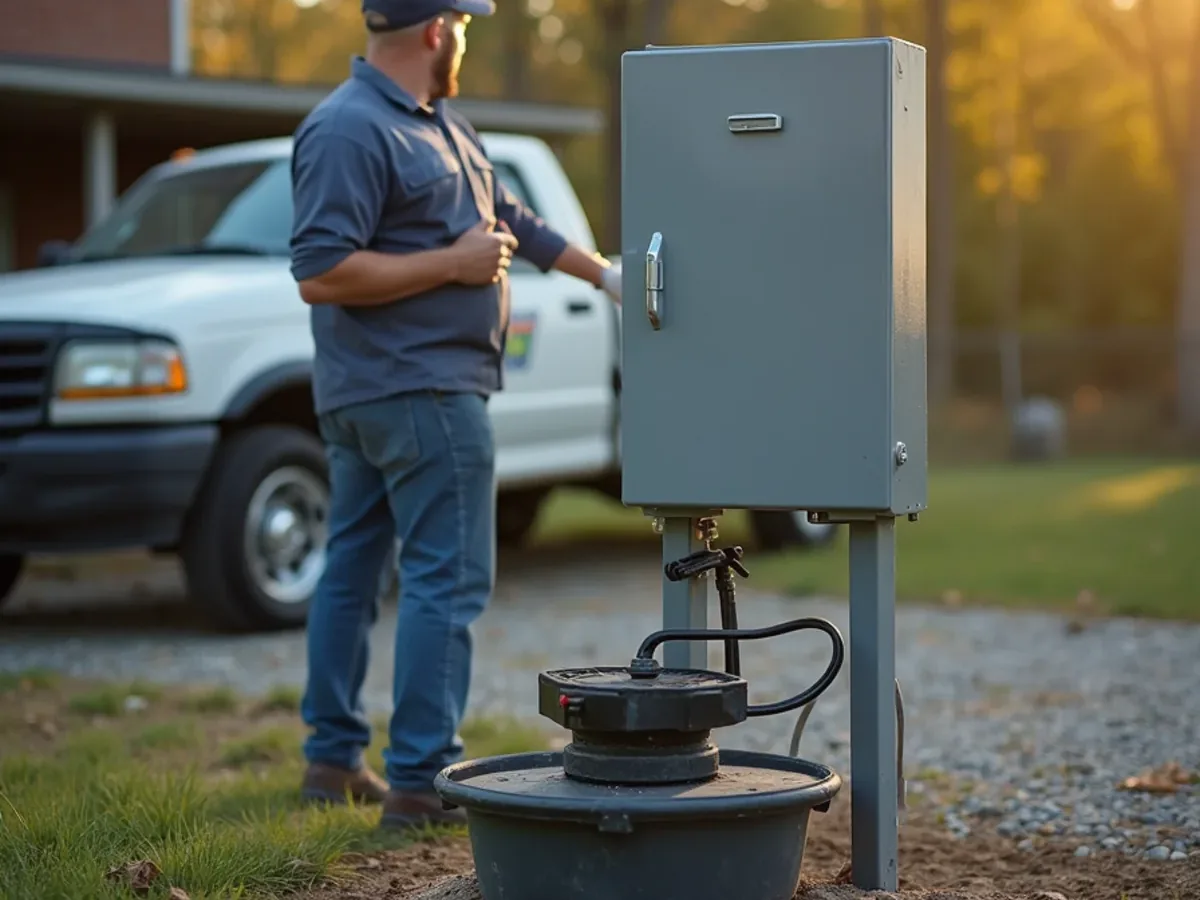
If the field sits below the tank, gravity does the work and there is nothing to fail. If the field is uphill — common on the ridges around Soddy-Daisy and Signal Mountain — you need a pump tank, a pump, floats, a control panel, an alarm, and an electrical run to it.
That is real equipment cost up front and real maintenance cost forever. A pump system needs annual attention rather than the three-to-five-year cycle a gravity system runs on.
5. New construction or replacement
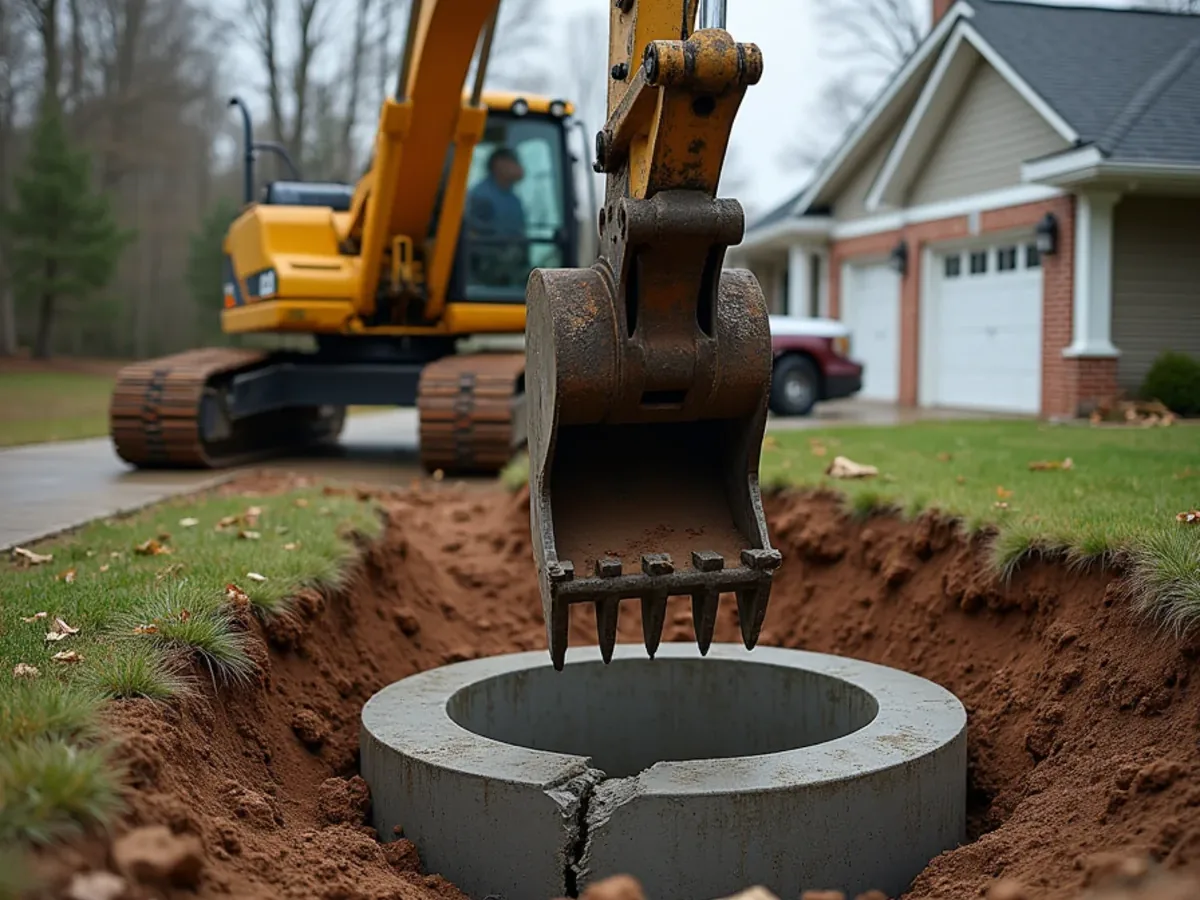
New construction on a raw lot is the simpler job. Nothing to remove, no lawn to protect, no driveway in the way, and the site is already disturbed.
A replacement on an existing home means removing or properly abandoning the old tank, working around established landscaping and utilities, protecting a driveway, and restoring the yard afterward. All of that adds.
6. Permits and inspection fees
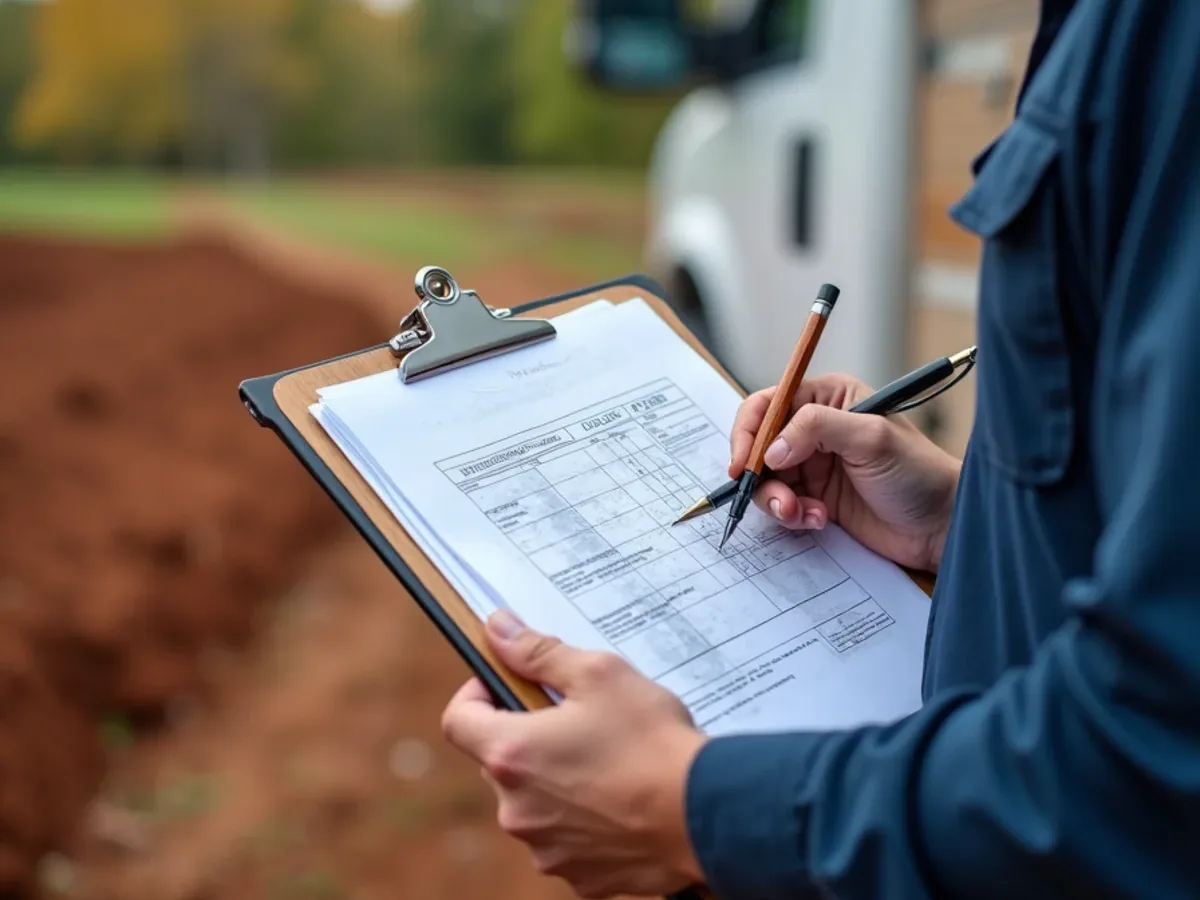
State and county fees are pass-through costs and they should appear as separate line items on any honest quote. If a quote does not break them out, ask.
The permit process also has a timeline. Soil evaluation, application, and approval typically add several weeks depending on county workload. We start that process as soon as you approve the work so it runs alongside your other site work rather than after it.
7. Restoration
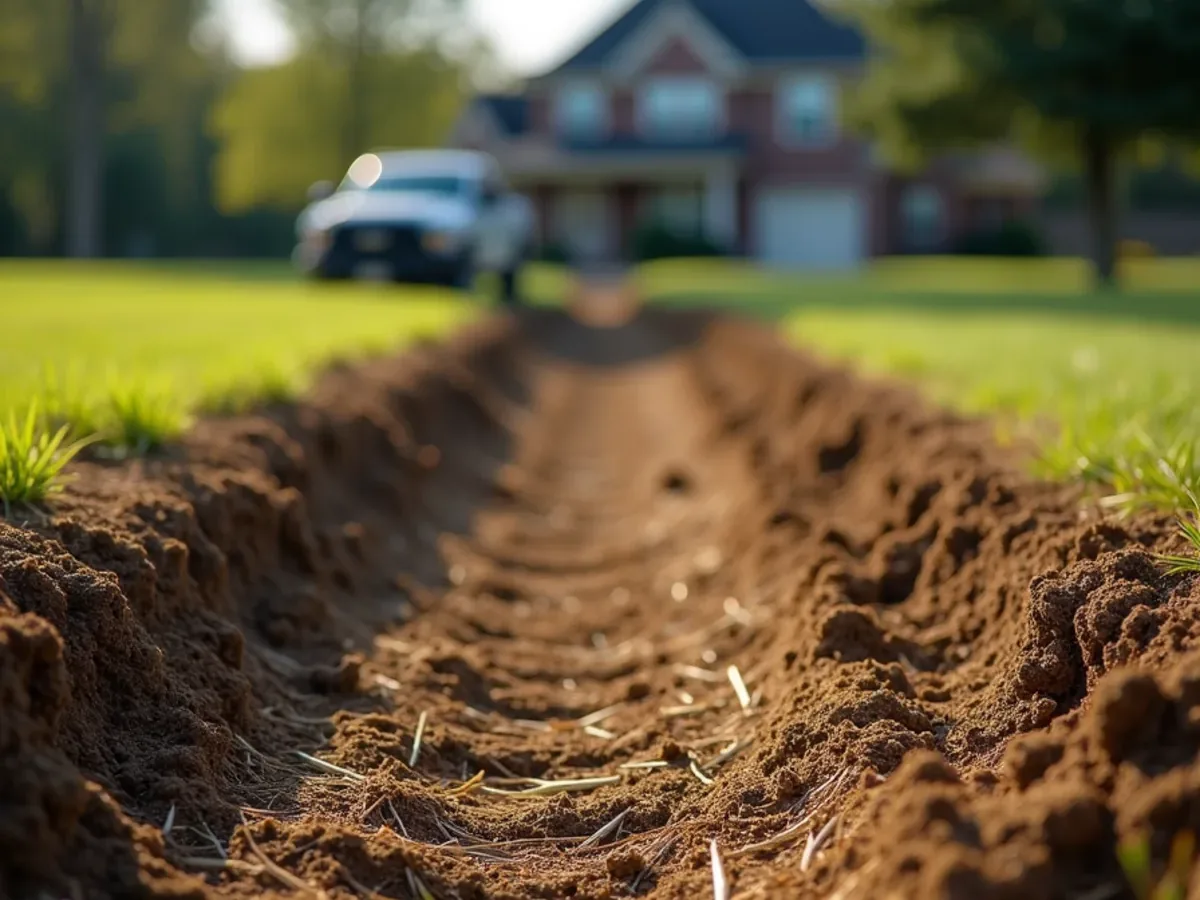
How the site is left is a legitimate cost variable and a common source of quote differences. Graded and seeded is standard. Full sod restoration costs more. Replacing a section of driveway costs more again.
Ask any quote you receive what restoration is included. Two prices that look different often differ mostly here.
How to compare quotes properly
- Are they quoting the same system type? Conventional versus low-pressure is not a like-for-like comparison
- Is the soil evaluation included or separate?
- Are permit and inspection fees broken out or buried?
- What tank size and material, and what trench length?
- Is the old tank removal or abandonment included on a replacement?
- What restoration is included — graded, seeded, sodded?
- Who pulls the permit and coordinates inspections?
What we do
We give you a written scope with the design, the tank size, the trench length, the permit fees listed separately, and the restoration specified. No allowances that grow later.
If you are building or replacing anywhere around Ooltewah, Apison, Cleveland or the surrounding counties, our septic tank installation page walks through how the job actually runs. The estimate is free and the conversation before you buy the lot is free too.
Frequently asked
Because the soil evaluation determines the design and the design determines most of the cost. A conventional gravity system and a mound system on the same lot differ enormously, and quoting before that result is known means either padding heavily or revising upward later. Neither is fair to you.
Yes. Tennessee requires a second area on the lot to remain available for a future replacement field, and it must be protected from construction and traffic. On smaller lots the reserve area is often the constraint that dictates where the house and driveway can go — which is why this conversation belongs before the foundation, not after.
The soil evaluation, application, and approval typically add several weeks, depending on county workload and weather. The excavation itself is usually two to four days for a conventional system. We start the permit process as soon as you approve the work so the office time runs in parallel with the rest of your project.
Need someone to actually look at it?
We are a licensed plumber and septic technician based in Ooltewah, serving Hamilton, Bradley and the surrounding counties. Free estimates on every job, and an honest answer about whether you need the work at all.