Septic service
Lift Station Service in Ooltewah, TN
Scheduled maintenance and emergency repair for pump stations at commercial sites, small developments and rural properties.
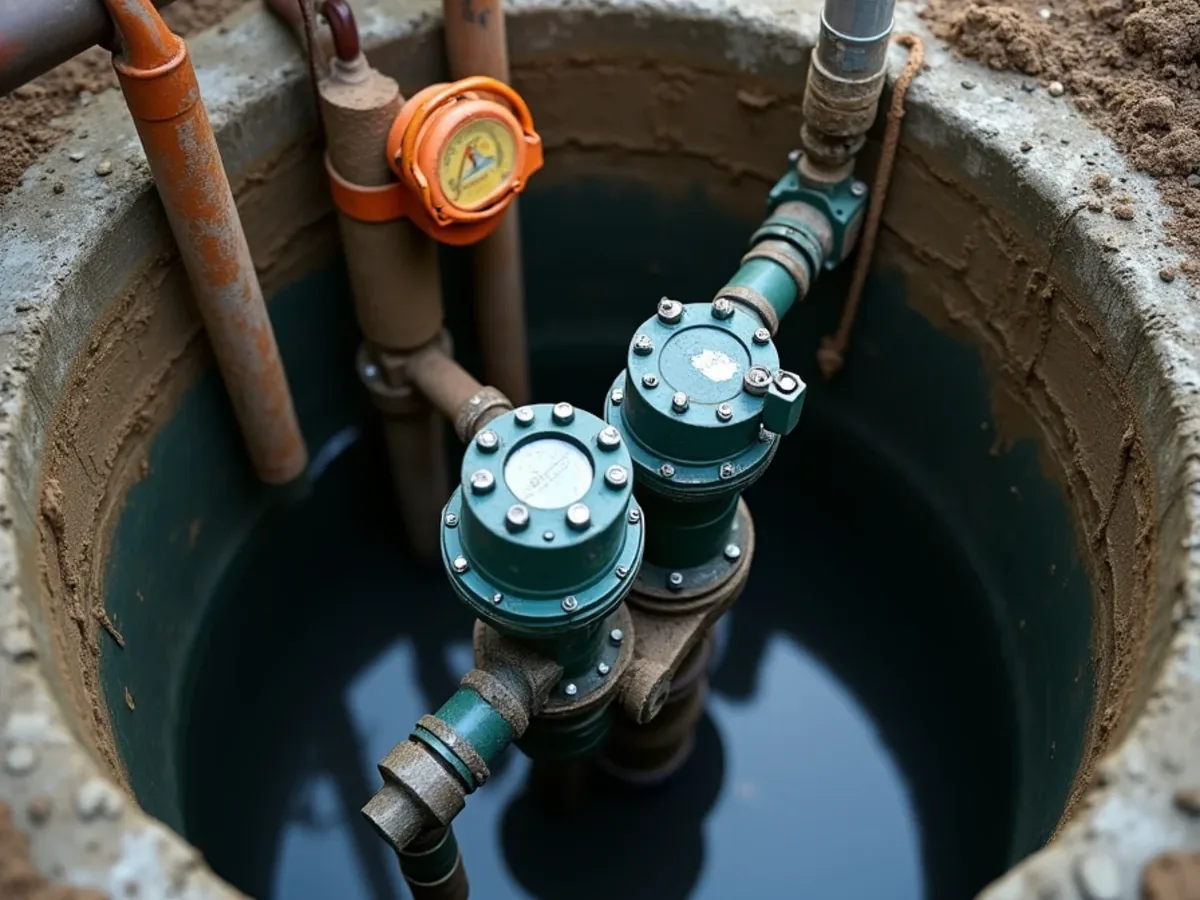
A lift station is a wet well with pumps in it, collecting wastewater at a low point and pushing it up to where gravity can take over. Restaurants, schools, churches, small apartment developments, and rural properties where the terrain does not cooperate all end up with one.
They are unglamorous, they are out of sight, and they get ignored until they overflow — at which point you are dealing with a sanitary spill, a closed business, and a conversation with an inspector. Almost all of that is preventable with a maintenance schedule.
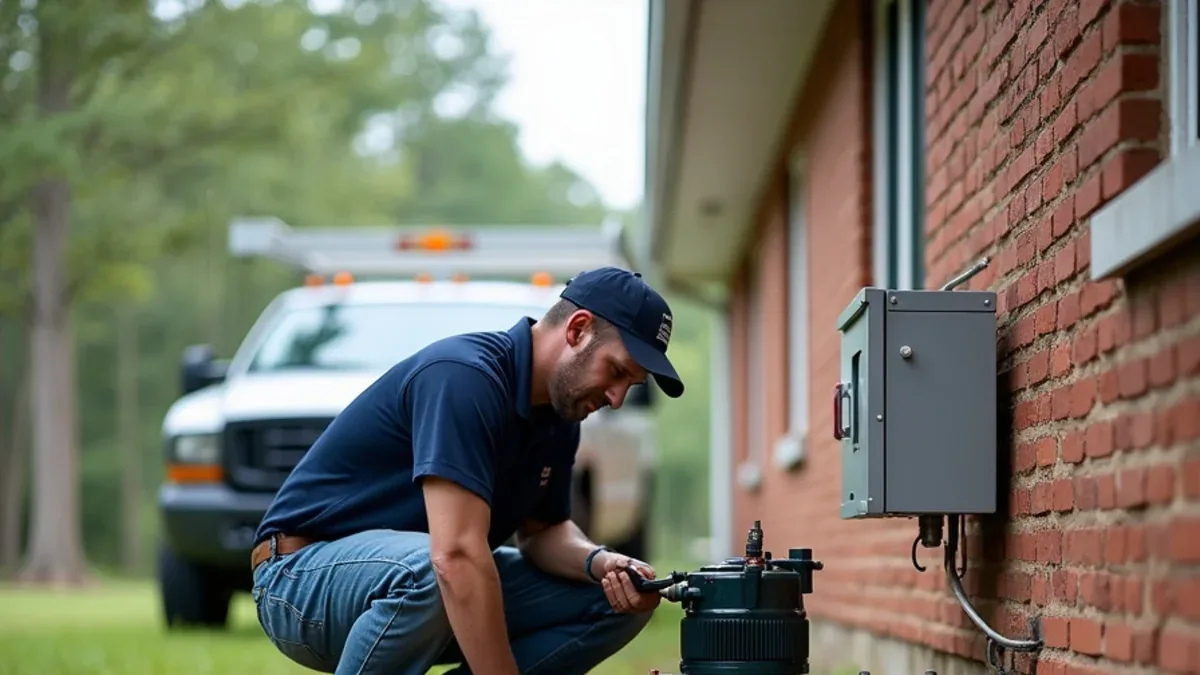
We service lift stations across Ooltewah, Chattanooga, Cleveland and the surrounding counties: wet well cleaning, pump and float servicing, control panel and alarm checks, and emergency response when something fails anyway.
Lift station problems
High-level alarm active
Reduce inflow immediately where you can and call. A lift station alarm has a much shorter runway than a residential one because inflow does not stop.
Only one pump running in a duplex station
Duplex stations alternate for a reason. When one has quietly failed, the survivor is doing double duty and it will not last.
Odor complaints
Usually grease accumulation, a failed vent, or a wet well that has not been cleaned. On a commercial site it becomes a customer problem fast.
Pumps short-cycling
Float positioning, a failed check valve, or grease reducing effective volume. Every start is wear, and short-cycling burns pumps out.
Grease crust across the wet well
Common downstream of food service. It fouls floats, reduces capacity, and jams pump intakes.
No maintenance history
If nobody can say when it was last cleaned or when the pumps were last pulled and checked, that is the finding.
How we work
What a lift station service includes
- 1
Confined space done properly
Wet wells are confined spaces with genuine hazards. We work to that standard rather than leaning over the opening and hoping.
- 2
Pump down and clean the wet well
Contents removed, walls and floor cleaned of grease and settled solids. Capacity restored, and the floats freed from what was fouling them.
- 3
Pull and inspect the pumps
Impellers, seals, cords and rails checked, amp draw measured under load. Wear shows up here long before it shows up as a failure.
- 4
Service floats and controls
Float positions and free travel, alternator function on duplex stations, contactors, and the alarm circuit — tested, not assumed.
- 5
Check valves and discharge
Check valves holding, discharge line clear, and no back-flow returning the same effluent to the well on every cycle.
- 6
Document and schedule
A written service record with findings and readings, plus the next due date. On commercial sites this is what an inspector asks for.
Need lift station service in Ooltewah or nearby?
Free estimate, written price before work starts, and an honest answer about whether you need the job at all.
- Licensed septic technician
- 22 Google reviews
- Free estimates on every job
- Locally owned & operated
Why duplex stations exist and why it matters
Most commercial lift stations have two pumps that alternate, and the reason is simple: inflow does not stop when a pump fails. A restaurant does not stop putting water down the drain because a pump has burned out.
On a duplex station, one pump failing is an inconvenience — the alternator switches to the other and you get a service call. On a simplex station, one pump failing is an overflow with a stopwatch running.
The failure mode worth understanding is the quiet one. A pump fails, the alternator keeps switching to it and finding nothing, and the surviving pump takes the entire load. Nobody notices because everything still works. Then the second pump — now doing double the duty it was designed for — fails too, and the station goes from fully redundant to fully down with no warning in between.
That is exactly what routine service catches. Measuring amp draw on both pumps and confirming the alternator is genuinely alternating takes minutes, and it is the difference between a planned pump replacement and a sanitary spill.
Grease is what kills commercial stations
Stations downstream of food service accumulate a grease crust across the surface of the wet well. It fouls float switches so they stop reporting level correctly, it reduces effective capacity so pumps cycle more often, and it works into pump intakes.
The station is the symptom. The cause is upstream: an interceptor on an interval that was set once and never revisited as volume grew, or a kitchen putting fryer oil and hot greasy water down the drain.
Fixing it at the station alone means cleaning the well more often forever. Fixing it upstream — tightening the grease trap schedule and training kitchen staff on dry-wiping and rendering barrels — reduces the load at source and makes the station cheaper to own.
We service both sides, which means we can tell you honestly whether your station needs more attention or your kitchen does. Usually it is the kitchen, and that is the cheaper answer.
What lift station service costs depends on
Priced per station and per schedule. Scheduled accounts price better than emergency calls, for obvious reasons. Free estimate for new accounts.
- Station size and depth
- A small residential station and a deep commercial duplex wet well are very different jobs in equipment, time and disposal volume.
- Simplex or duplex
- Two pumps, an alternator and more control complexity means more to service — and considerably more resilience in return.
- Service frequency
- Stations on a regular cycle cost less per visit and fail far less often. Reactive-only is the expensive way to own one.
- How much is in the well
- Disposal is charged by volume. A station serviced on schedule holds far less than one that has gone years.
- Grease loading
- Stations downstream of food service need more frequent cleaning and often a tighter grease trap interval upstream.
- Access and timing
- A station in an open lot is straightforward. One under a parking area, or one that can only be worked at 5am, costs more.
We do not publish flat prices because two jobs on the same street can cost different amounts, and a quoted number that changes on arrival helps nobody. Every job starts with a free written estimate.
Questions
Lift Station Service in Ooltewah — answered
Quarterly is a common baseline for commercial stations, with monthly attention where grease loading is heavy — restaurants especially. Small residential stations often manage on a semi-annual or annual cycle. We set the interval from what we actually find in the well on the first few visits rather than applying a generic schedule.
Pumping down and cleaning the wet well, pulling and inspecting the pumps with amp draw measured under load, checking float positions and free travel, testing the alternator on duplex stations and the alarm circuit, verifying check valves hold and the discharge is clear, and a written record with findings and the next due date.
Less time than a residential system, because inflow does not stop. Reduce what you can send to it immediately, check the breaker and panel reset, and call. On a commercial site, an overflow is a sanitary spill with reporting obligations attached, so this is not a call to defer.
Usually a grease crust across the wet well, a failed lid seal, or a venting problem. On a commercial site it becomes a customer-facing issue quickly. Cleaning the well resolves the immediate smell; if it returns fast, the real answer is usually tightening the grease trap schedule upstream.
Yes. Rural properties where the terrain does not allow gravity flow to a septic tank, and homes with basement or lower-level fixtures, frequently have small stations. Same principles apply — floats, pump condition, check valve, alarm — just at a smaller scale.
You might also need
Grinder Pump Installation & Repair
Basement bathrooms, uphill septic tanks and low-lying additions. If the waste has to be lifted, this is the equipment that does it.
Learn moreGrease Trap Pumping
Kitchens run on a schedule and so should the grease trap. We pump, scrape, inspect, and document — on a cycle that keeps you compliant and open.
Learn moreCommercial Plumbing
Small commercial done properly: kitchen lines, grease traps, restrooms, water heaters and rental turnovers, with documentation every visit.
Learn more
Lift Station Service — free estimate, fair price
Call and describe what you are seeing. We will tell you what it usually means, what it will take to check, and what it is likely to cost.
- Licensed septic technician
- 22 Google reviews
- Free estimates on every job
- Locally owned & operated