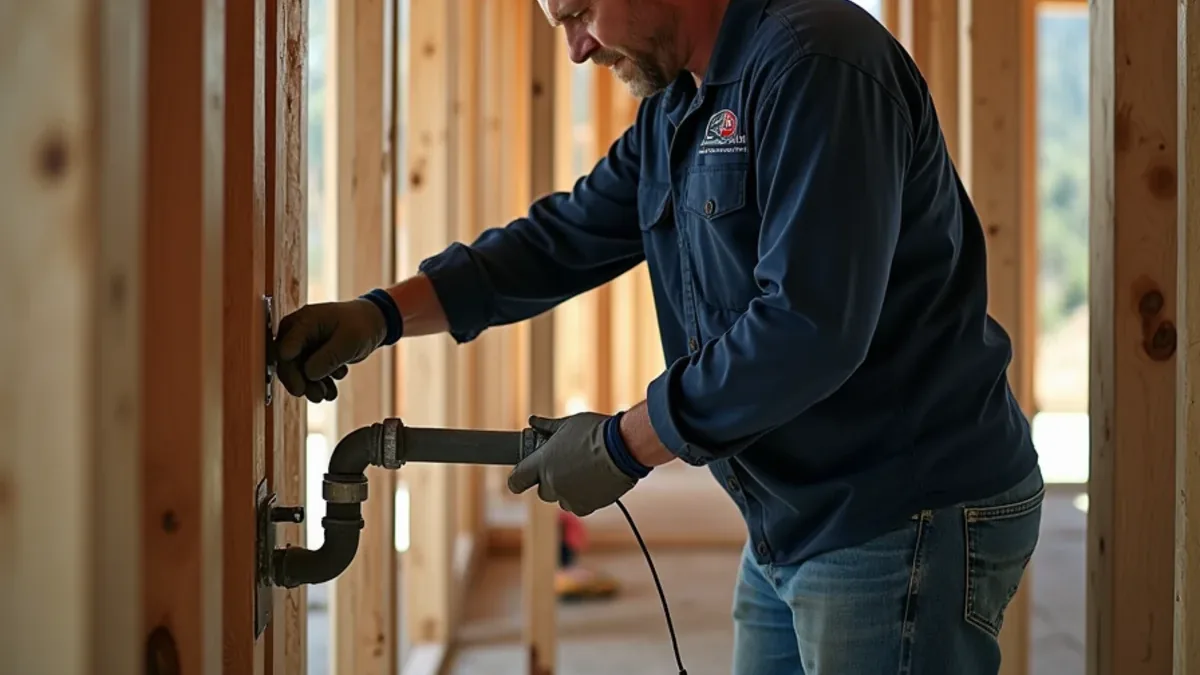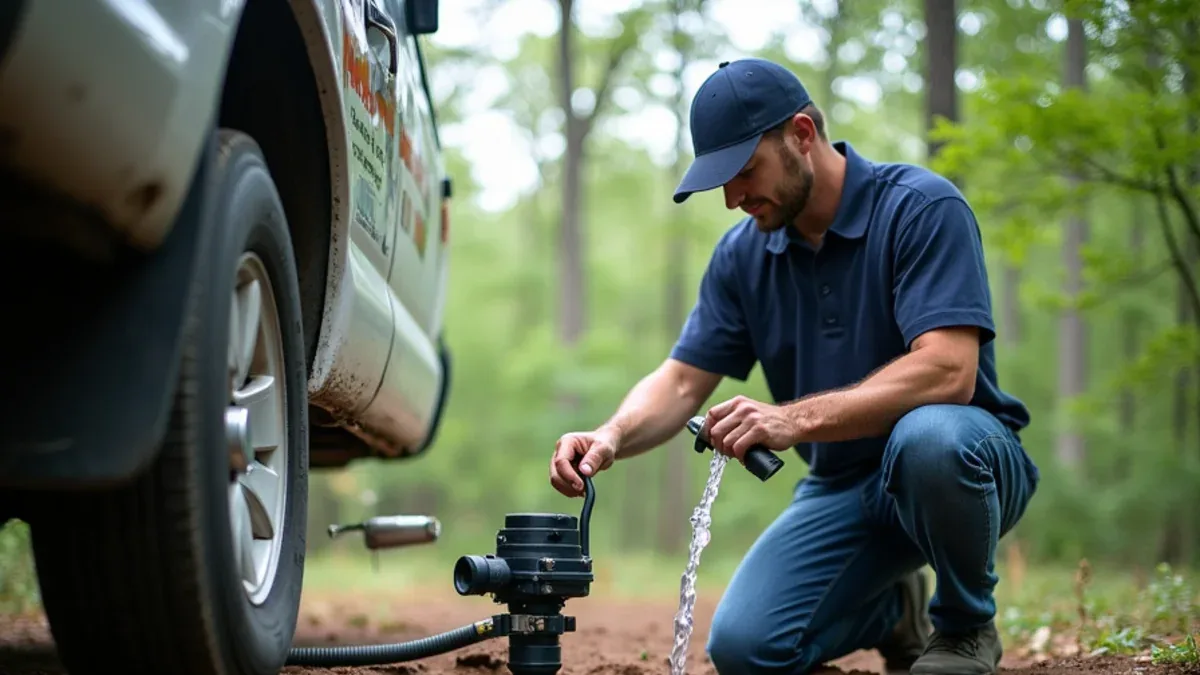

Everybody gets a clogged drain occasionally. Hair in a shower, a kitchen line that finally gives up after a heavy holiday. That is normal and it is not what this article is about.
What matters is the drain that clogs, gets cleared, and clogs again three months later. That pattern is not bad luck. It is a physical problem in the pipe, and until somebody looks at it, you are on a treadmill of service calls.
What a cable actually does
A drain cable is a flexible steel snake with a head on the end. It is excellent at breaking through or retrieving a specific obstruction. It punches a channel and water starts moving again.
What it does not do is clean the pipe. If the inside of your line is coated with a half-inch of hardened grease, a cable makes a hole through it and leaves the rest in place. Flow resumes, everybody is happy, and the coating closes the hole back up over the following weeks.
The five causes of a recurring clog
1. Grease coating
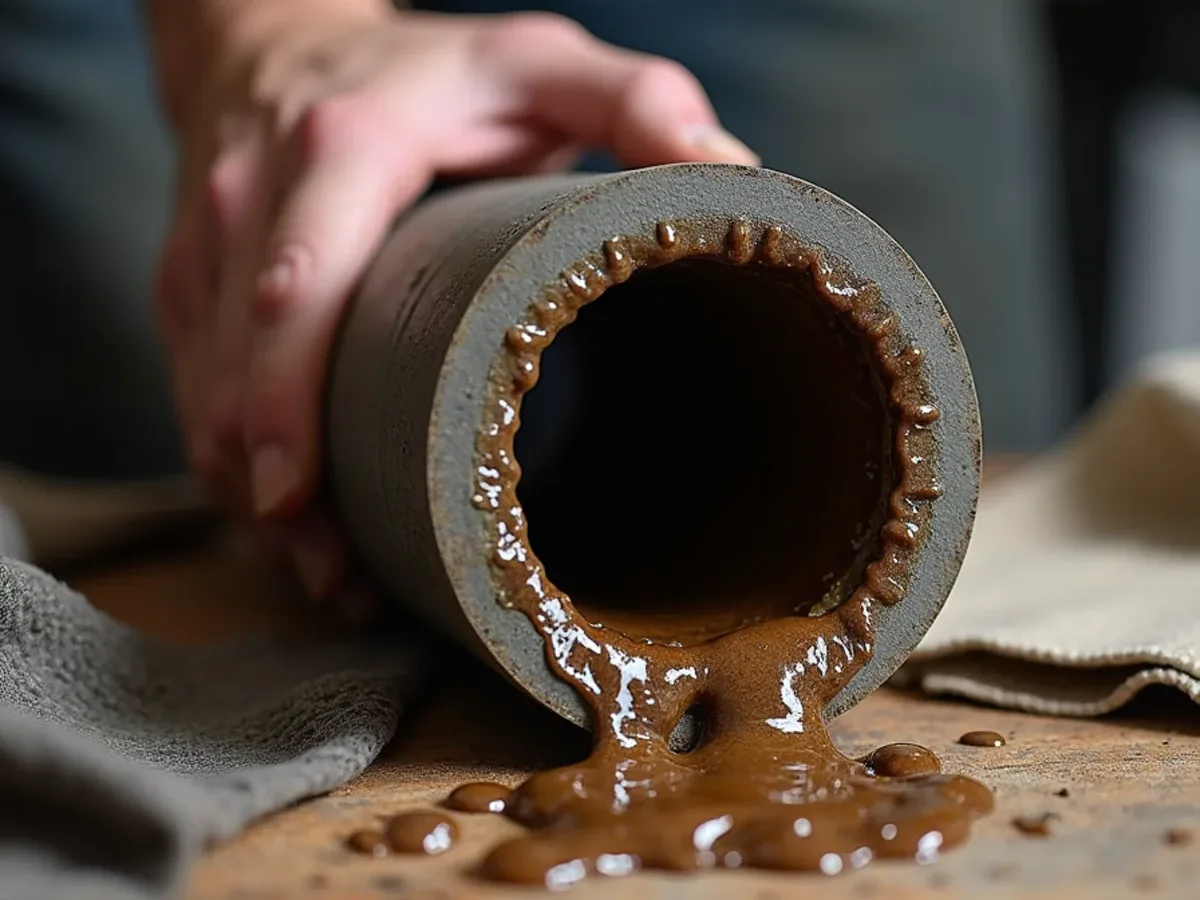
The most common cause on kitchen lines. Grease poured down the sink cools and adheres to the pipe wall, and food particles stick to it. It builds gradually over years and then closes suddenly.
The fix is hydro jetting, which scours the pipe wall back to its full diameter. The prevention is wiping greasy pans with a paper towel before washing.
2. Root intrusion
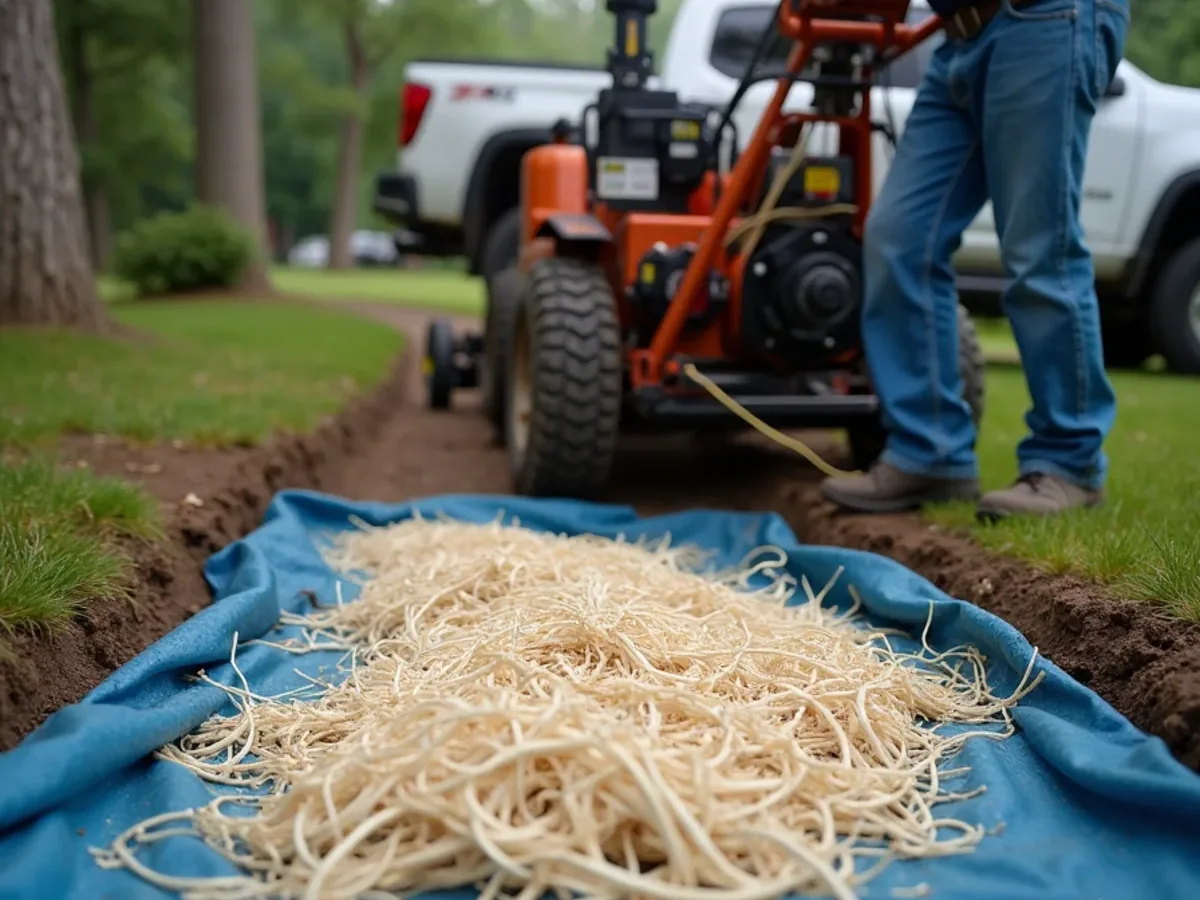
Roots find sewer lines through joints and cracks, enter as hair-fine strands, and thicken over years. In older neighborhoods around Chattanooga, Red Bank, and Signal Mountain — mature trees over clay or cast iron laterals — this is the default finding rather than the exception.
Cutting and jetting clears roots and buys real time, often a year or two. It does not stop them coming back, because they return through the same opening. A permanent fix means lining or replacing the affected section.
3. A belly in the line

A belly is a low spot where the pipe has sagged, usually from settling soil or poor bedding at installation. Water and solids collect in the dip instead of flowing through.
This is the one that frustrates people most, because a cable clears it and it refills within weeks. No amount of cleaning fixes a belly — the pipe has to be re-laid at proper grade.
4. Scale in cast iron
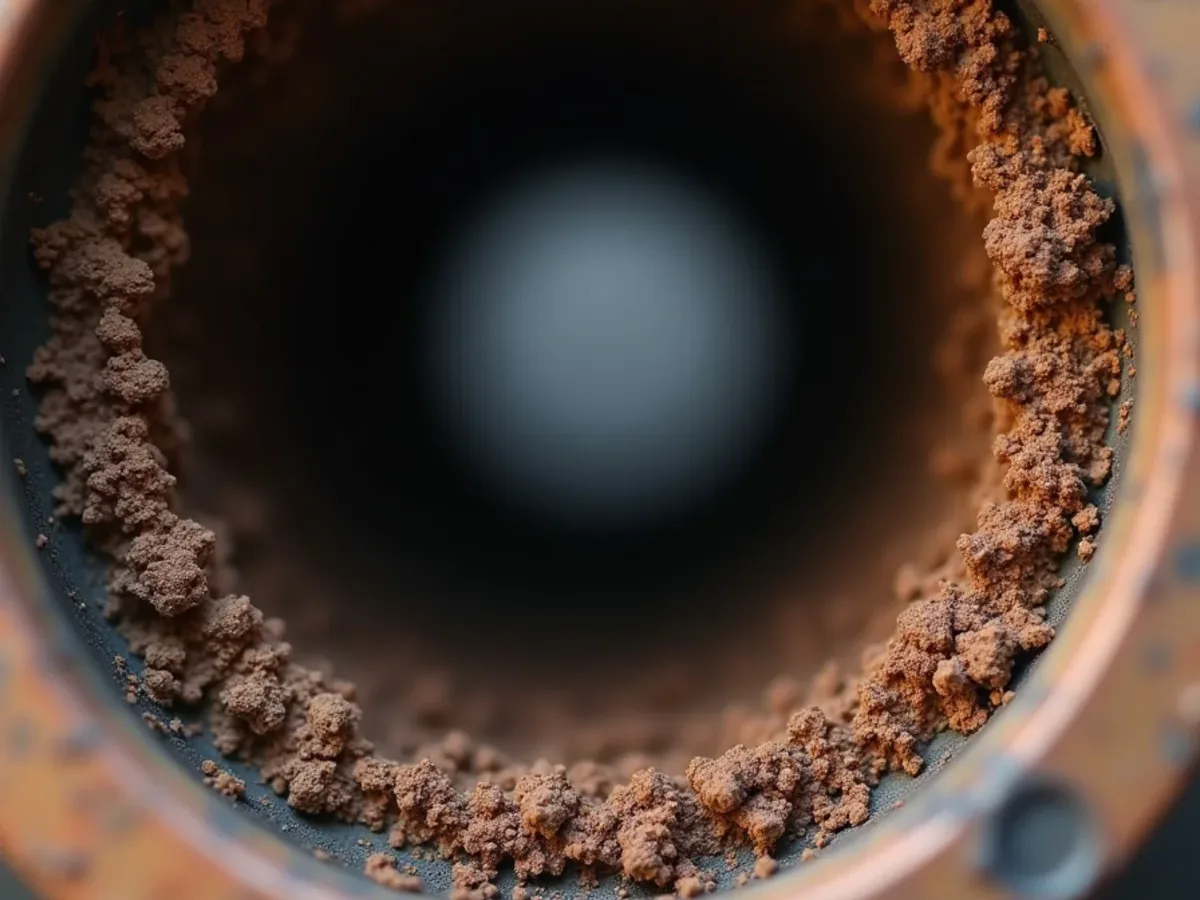
Cast iron drain lines corrode from the inside. Scale builds along the bottom of the pipe and the effective diameter shrinks year after year. Common in homes from the 1950s through the 1970s.
The symptom is a whole house that drains slightly slower every year. Jetting restores it where the pipe is structurally sound — but if the cast iron has corroded through at the bottom, pressure makes it worse, which is why we camera before jetting older lines.
5. Something is in there

A toy, a rag, a scrub sponge, a build-up of wipes anchored on a rough joint. Everything that comes down afterward catches on it. A cable pushes past and the obstruction stays. A camera finds it and a retrieval tool or a jetter removes it.
How to tell which one you have
| Symptom | Most likely cause |
|---|---|
| Kitchen line only, gradual over years | Grease coating |
| Main line, worse after heavy rain | Root intrusion |
| Clears easily then refills within weeks | Belly in the line |
| Whole house draining slower every year | Scale in cast iron |
| Sudden total blockage with no build-up | Foreign object |
| All fixtures slow, home on septic | Full tank, not a clog |
That last row is worth emphasizing. On a septic property, "every drain is slow" often is not a drain problem at all — it is a full septic tank, and cabling the line accomplishes nothing.
Why we do not use chemical drain cleaners
Caustic and acid cleaners generate heat and dissolve organic material. In a line with standing water, most of the product dilutes long before it reaches the blockage.
In older metal pipe, repeated exposure accelerates corrosion — we have opened traps that failed at the threads on the first turn of a wrench. And on a septic system, heavy chemical use kills the bacteria the tank depends on.
Mechanical clearing removes material instead of dissolving it, does not damage pipe, and lets us see what came out, which is often the most useful diagnostic of the whole visit.
When to stop cabling and start looking
Our rule: cable a first-time clog. On the second clog in the same line within a year, get a camera inspection. It takes under an hour, it costs a fraction of repeated service calls, and it tells you definitively whether you are looking at a cleaning job, a spot repair, or a replacement.
We clear drains and diagnose recurring ones across Ooltewah, East Brainerd, Chattanooga, Collegedale and the surrounding area. Free estimates, and we will tell you honestly when a cable is all you need.
Frequently asked
Twice on the same line within a year is the point to stop and look. Continued cabling on a line with a physical defect is money spent on a symptom. A camera inspection takes under an hour and tells you exactly what is wrong and where.
No. A belly is a low spot where the pipe has sagged, and cleaning it does not change the grade. Water will collect there again. The only real fix is excavating and re-laying that section at proper fall. Jetting will clear it temporarily, which is worth knowing so you are not surprised when it returns.
Rarely, and never in older metal pipe or on a septic system. Most of the product dilutes before reaching the blockage, it accelerates corrosion in galvanized and cast iron, and it kills the bacterial population a septic tank depends on. Mechanical clearing removes material rather than dissolving it, with none of those downsides.
Need someone to actually look at it?
We are a licensed plumber and septic technician based in Ooltewah, serving Hamilton, Bradley and the surrounding counties. Free estimates on every job, and an honest answer about whether you need the work at all.