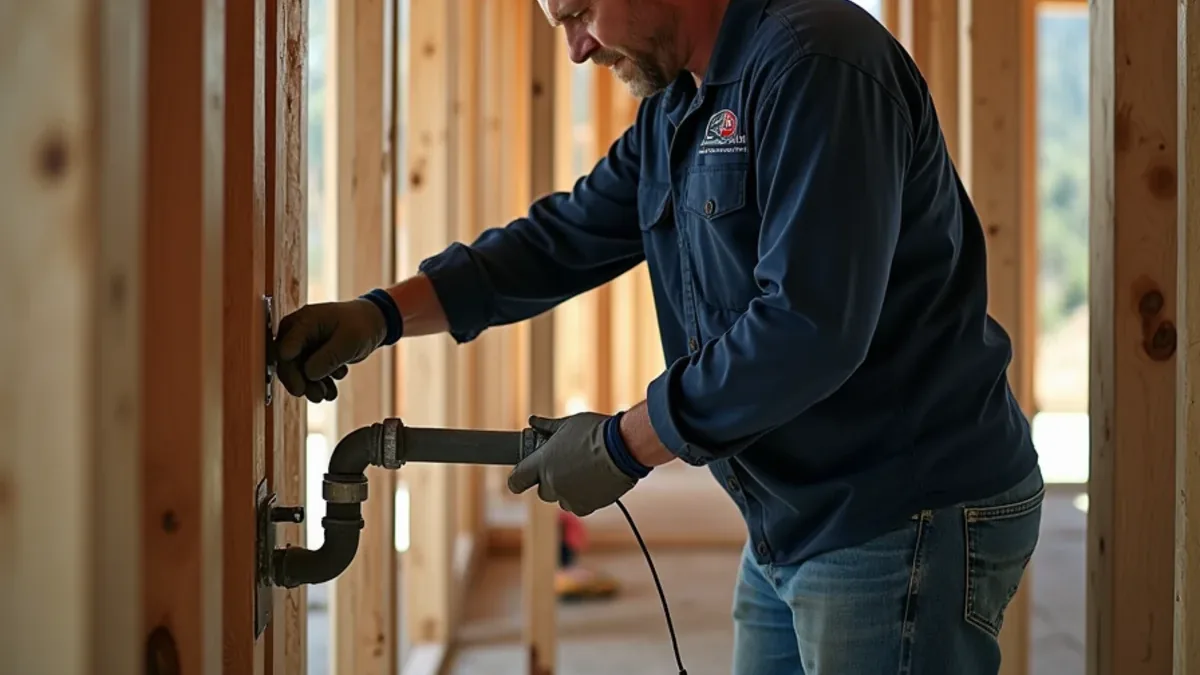
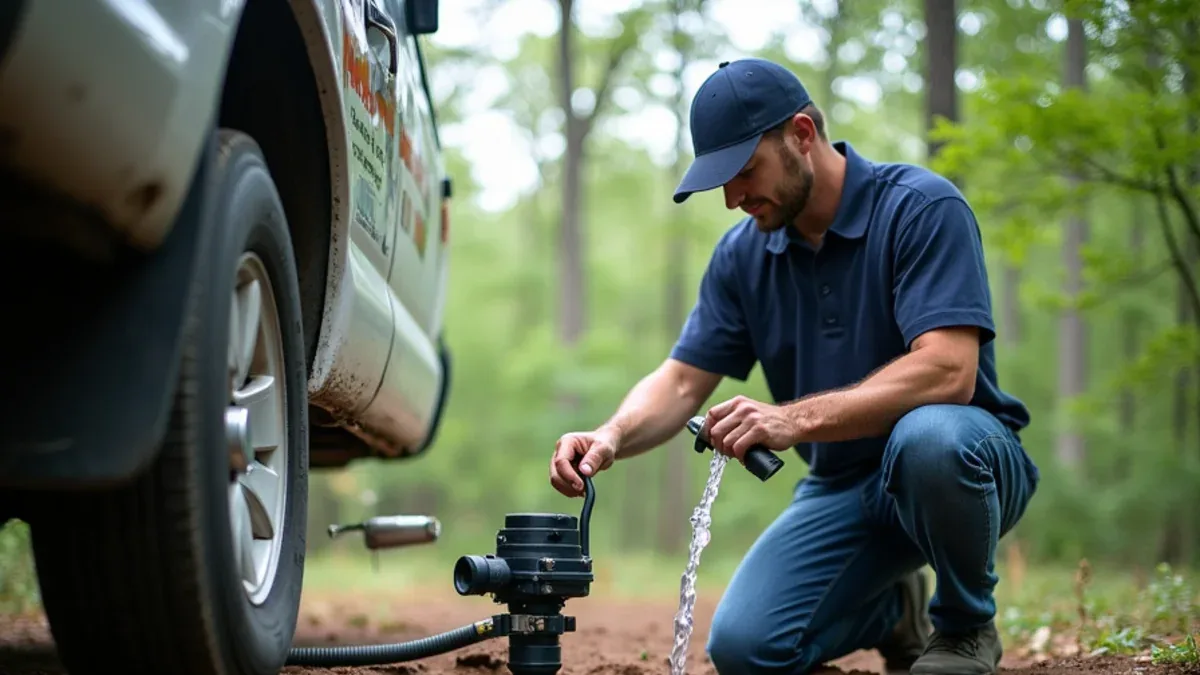
A sump pump spends almost all of its life doing nothing. Then a storm drops three inches in two hours, the water table comes up, and it has to run continuously for a day.
That is the only performance that counts, and it is the one nobody tests for. Here is the ten-minute check that finds the problem on a dry day.
The test that actually tests something
- 1Pour several gallons of water into the basin — enough to raise the float, not a jug.
- 2Watch the pump start. If it does not, you have found the problem on a good day.
- 3Watch the water clear. It should drop steadily and the pump should shut off cleanly.
- 4Listen for the check valve. A distinct click or thunk as it closes means it is holding.
- 5Watch the level for thirty seconds afterward. If it rises again on its own, the check valve is failing and the pump is re-lifting the same water.
- 6Go outside and confirm water is actually coming out where it should be.
The rest of the checklist
- Clear debris from the basin — silt and gravel wreck impellers and foul floats
- Check the float travels freely and is not fouled on the wall or the discharge pipe
- Confirm the pump sits off the basin floor so it is not drawing silt
- Check the discharge line outside is clear, not crushed, and not frozen in winter
- Confirm the discharge terminates well away from the foundation, not two feet from the wall
- Verify the pump is on a GFCI-protected circuit and the cord is not damaged
- Test the battery backup if you have one — and if you do not, read the next section
The backup is the part that matters
Here is the failure that actually floods houses. A severe storm knocks the power out. The pump stops. The water keeps coming, because the storm that caused the outage is the same storm raising the water table.
A primary pump on grid power protects you from a wet week. A battery backup protects you from the night that costs money. If the space holds a finished basement, a furnace, or belongings that matter, backup is not optional equipment.
And test the battery twice a year. A backup battery that has quietly gone flat is worse than no backup, because you believed you were covered.
Fix the water before you fix the symptom
Before spending on a bigger pump, walk the outside of the house during rain.
Downspouts are the usual culprit. One discharging at the base of a wall puts hundreds of gallons directly against the foundation in a single storm. Extending them six to ten feet away is cheap and it often halves what the pump has to handle.
Then look at grade. Soil should fall away from the house for the first several feet. Settled beds, built-up mulch, and patios sloping the wrong way all channel water inward.
One rule for septic properties
Never route sump discharge anywhere near a septic drain field. Adding storm water to a field already handling household flow — during exactly the wet conditions when it is least able to cope — is one of the more effective ways to shorten its life.
Sump discharge goes to daylight, well away from both the foundation and the field. Our drain field page explains what hydraulic overload does over time.
When to replace rather than service
Seven to ten years is the service life for a residential unit that runs regularly, less if it has been short-cycling. If yours is past seven and you rely on it, replacing before storm season is far cheaper and considerably less stressful than replacing during it.
New noises are worth taking seriously too — grinding or rattling usually means worn bearings or debris in the impeller, and a pump making new sounds is often a season from failing. Details on our sump pump page.
Frequently asked
Twice a year, and always before spring storm season. Pour several gallons into the basin and watch a full cycle — pump starts, water clears, pump stops, and the check valve holds so nothing runs back. Lifting the float by hand only tests the switch, not the pump, the valve or the discharge.
If the space you are protecting holds anything you would be upset to lose, yes. The scenario that floods houses is the power failing during the storm — the pump stops exactly when the water is worst, because the same storm caused both. A grid-powered pump alone does not cover that.
No. Sending storm water into a septic tank hydraulically overloads it and pushes solids toward the drain field, during exactly the wet conditions when the field is least able to cope. Sump discharge should go to daylight, well away from both the foundation and the field.
Need someone to actually look at it?
We are a licensed plumber and septic technician based in Ooltewah, serving Hamilton, Bradley and the surrounding counties. Free estimates on every job, and an honest answer about whether you need the work at all.