Natural gas and propane are odorless. The rotten-egg smell is mercaptan, added deliberately so a leak announces itself. That works, and it is the sign everyone knows.
The signs worth learning are the subtler ones, because they usually appear before the smell becomes obvious.
If you smell gas: the exact order
- 1Get everyone out of the building. Not after checking the stove — first.
- 2Do not operate anything electrical on the way out. No light switches, no garage door opener, no thermostat, no phone indoors. A switch contact sparks, and a spark is all it takes.
- 3Do not light anything, and never search for a leak with a flame.
- 4If you can safely reach an outside shutoff at the meter or propane tank on your way, close it. If you cannot reach it safely, leave it.
- 5Once well clear of the building, call the gas utility emergency line. There is no charge for that call.
- 6Call us once the utility has made the property safe, to find and repair the actual leak.
The subtle signs
A hissing sound near a line or appliance
An audible leak is a significant one. Do not investigate it — leave and follow the sequence above.
Dead vegetation over a buried line
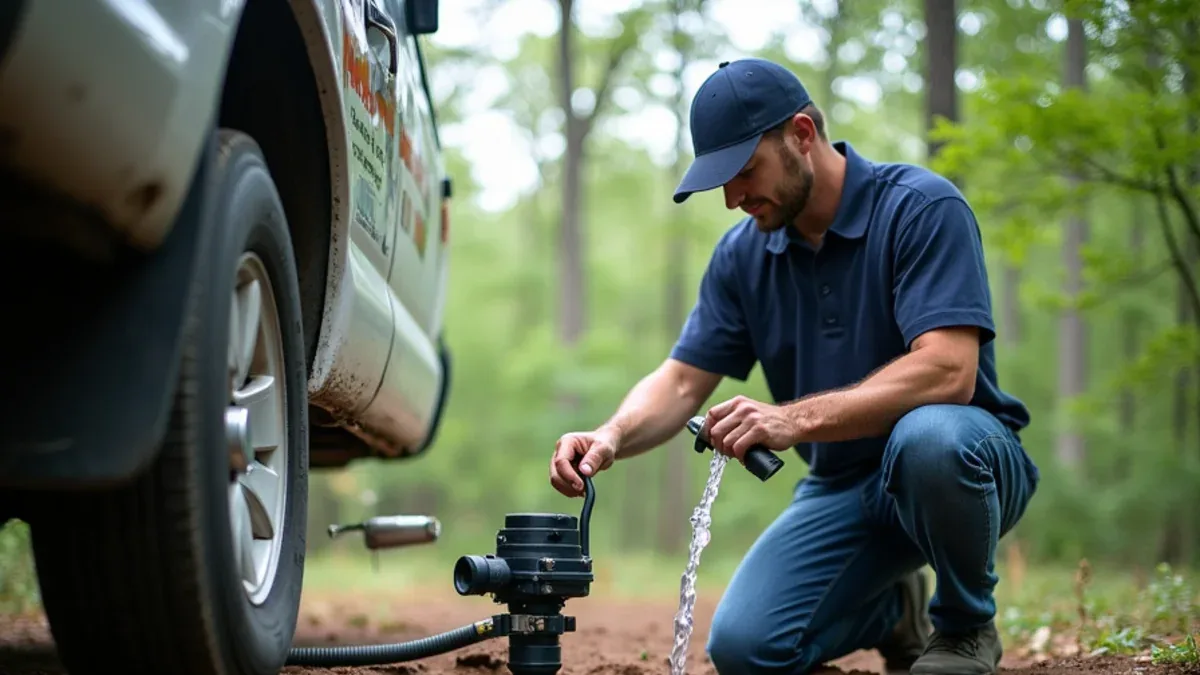
An underground gas leak displaces oxygen in the soil and kills the roots above it. A patch of dead or dying grass along the route of a known gas line, in an otherwise healthy lawn, is a serious indicator.
Bubbling in standing water
After rain, a persistent stream of bubbles in a puddle over a gas line route means gas is escaping underground and finding its way up.
Yellow or orange burner flames
A properly combusting gas burner produces a crisp blue flame. Yellow or orange means incomplete combustion, which produces carbon monoxide. That is an appliance or combustion air issue and it needs service promptly.
Soot or scorching around an appliance
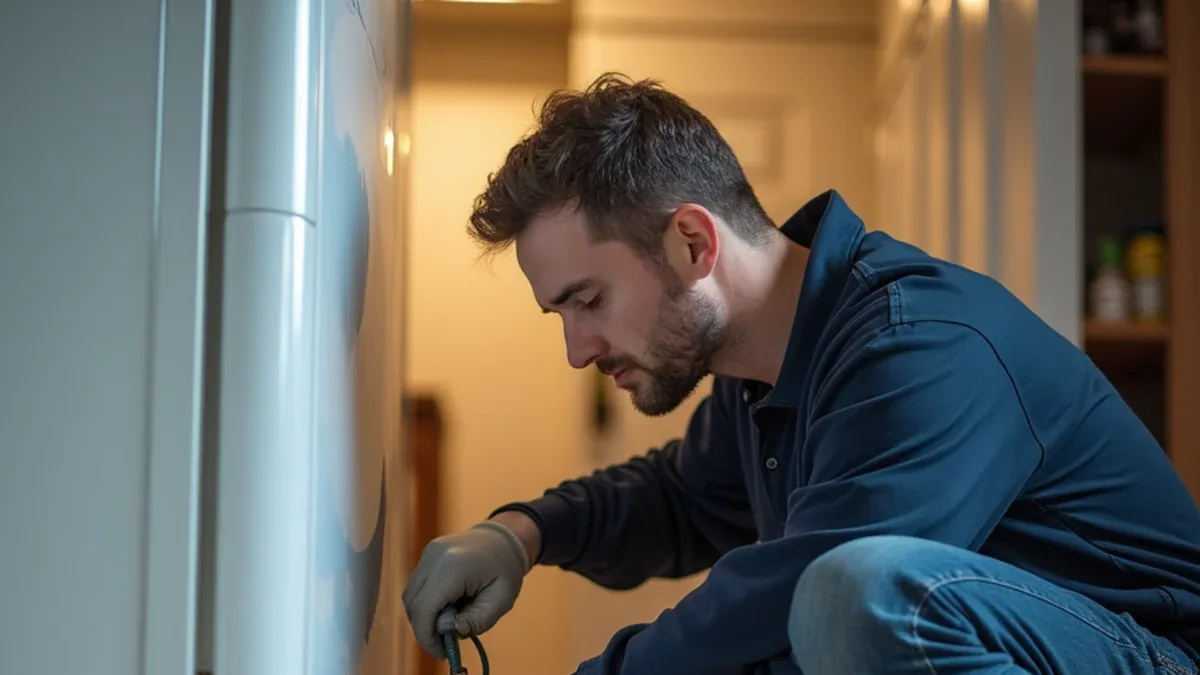
Black staining around a burner, a vent, or the top of a water heater indicates poor combustion or a venting problem. Both are carbon monoxide risks.
Pilot lights that keep going out
Sometimes a failing thermocouple. Sometimes inadequate gas pressure, or a downdraft in a vent. Worth diagnosing rather than relighting repeatedly.
Unexplained physical symptoms indoors
Headaches, dizziness, nausea, or fatigue that improve when you leave the house and return when you come back. That pattern suggests carbon monoxide, and it warrants leaving the building and getting the appliances checked.
Carbon monoxide detectors are not optional
If you have any gas appliance — furnace, water heater, range, fireplace — you need CO detectors. Carbon monoxide has no smell and no color, and the early symptoms are indistinguishable from flu.
Put one on every level and near sleeping areas, test them monthly, and replace the units at the manufacturer's stated interval. They do expire.
The problem people do not realize they have
The most common gas issue we find is not a leak. It is a line that was adequate when installed and is not adequate for what has been added since.
A half-inch branch that fed a single furnace does not carry a furnace plus a tankless water heater plus a gas range. The symptoms are subtle: a tankless unit that cannot reach full output, a range burner that drops when the furnace fires, a pilot that goes out on cold mornings when demand peaks.
Homeowners chase appliance faults for months when the actual issue is pressure drop across an undersized line. If you are planning to add a gas appliance, have the whole system evaluated rather than just running a branch to the new unit. Details on our gas line page.
Gas work is permitted work
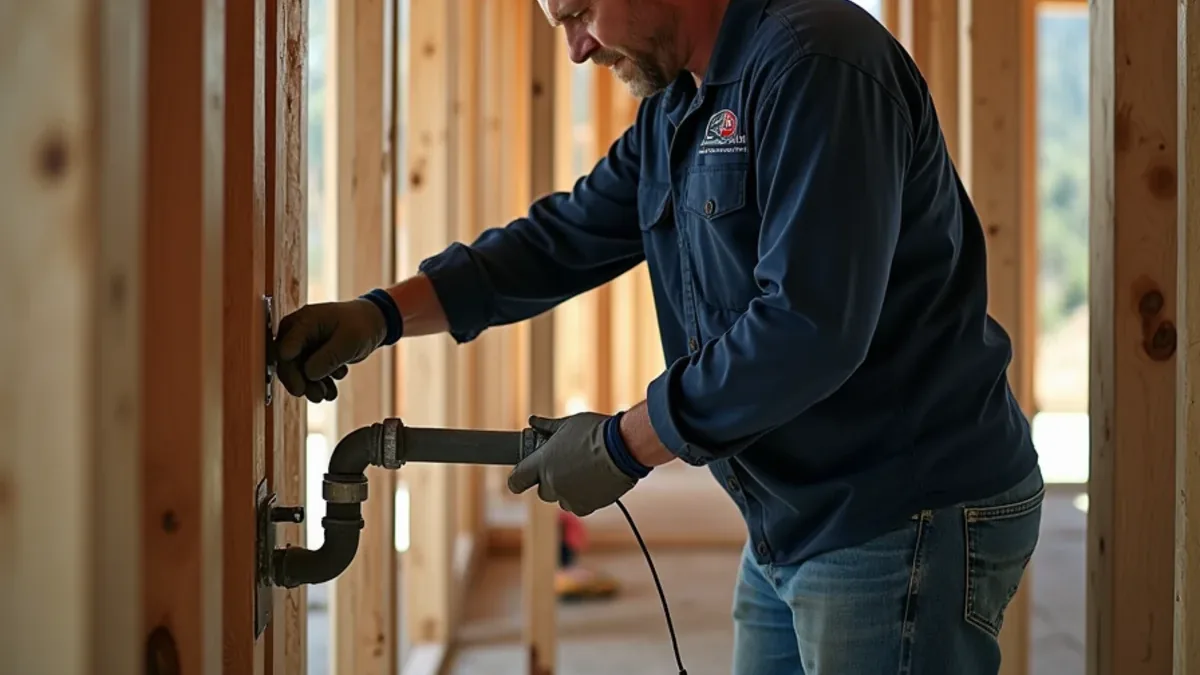
Gas piping requires a permit and an inspection, and that is not bureaucratic box-ticking — it is the system where mistakes are dangerous rather than inconvenient.
Every line we install is sized for the actual load, assembled with the correct materials, pressure-tested before it goes into service, and inspected. Unpermitted gas work also has a habit of surfacing at resale and during insurance claims.
We do gas line installation, repair, and leak testing across Ooltewah, Collegedale, Chattanooga and the surrounding area. Free estimates, and we will tell you up front if the meter needs upgrading before you commit to an appliance.
Frequently asked
Leave the building immediately, without operating any electrical switches, garage door openers, or your phone indoors. Once you are well clear, call the gas utility emergency line — there is no charge. Do not open windows, do not look for the source, and do not go back in until the utility says it is safe.
Corrugated stainless steel tubing is code-approved and widely used, and it installs faster than rigid black iron through finished spaces. The critical requirement is proper bonding and grounding — inadequately bonded CSST has been implicated in failures following nearby lightning strikes. We install it with the required bonding and check existing bonding whenever we work on a system that has it.
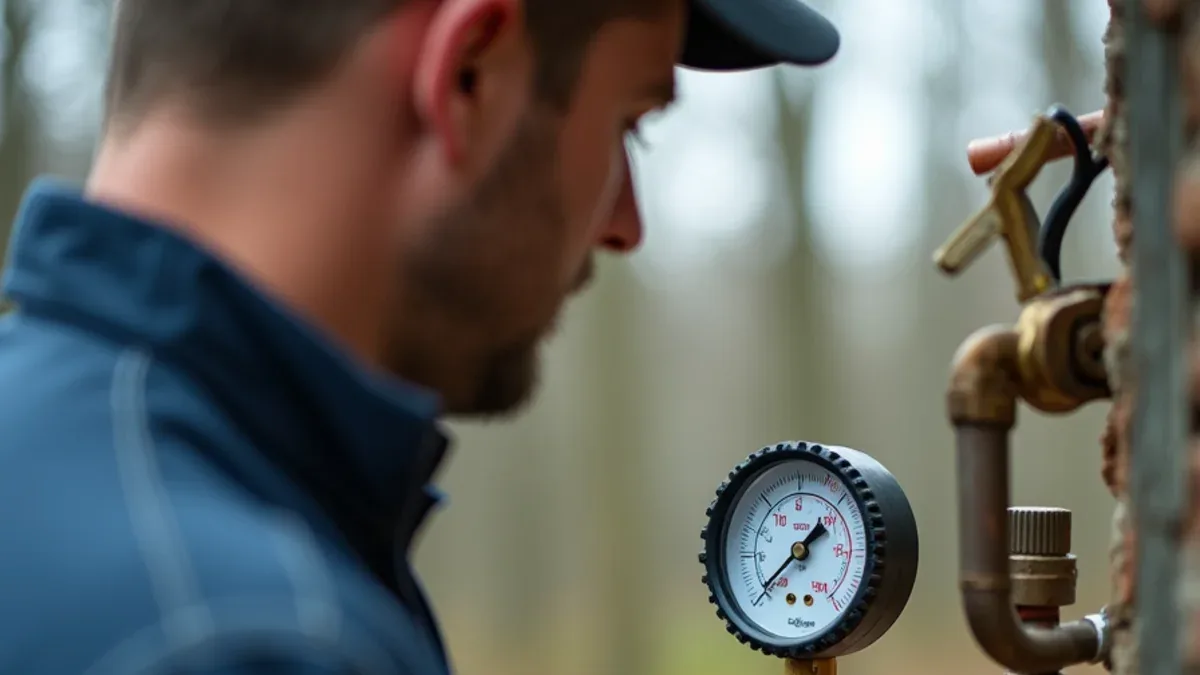
The line is isolated and pressurized with air well above operating pressure, then held while we watch a gauge over a set period. Any pressure drop means a leak. On existing systems we also use an electronic combustible gas detector and leak-detection solution at every joint. We never put a line into service on a visual check alone.
Need someone to actually look at it?
We are a licensed plumber and septic technician based in Ooltewah, serving Hamilton, Bradley and the surrounding counties. Free estimates on every job, and an honest answer about whether you need the work at all.