
Septic service
Grease Trap Pumping in Ooltewah, TN
Scheduled interceptor service for restaurants, schools, and commercial kitchens across Hamilton and Bradley County.
A grease trap is the least glamorous piece of equipment in a commercial kitchen and the one most likely to shut you down. When an interceptor overflows during service, you are not just cleaning a mess — you are closed, and you are explaining it to an inspector.
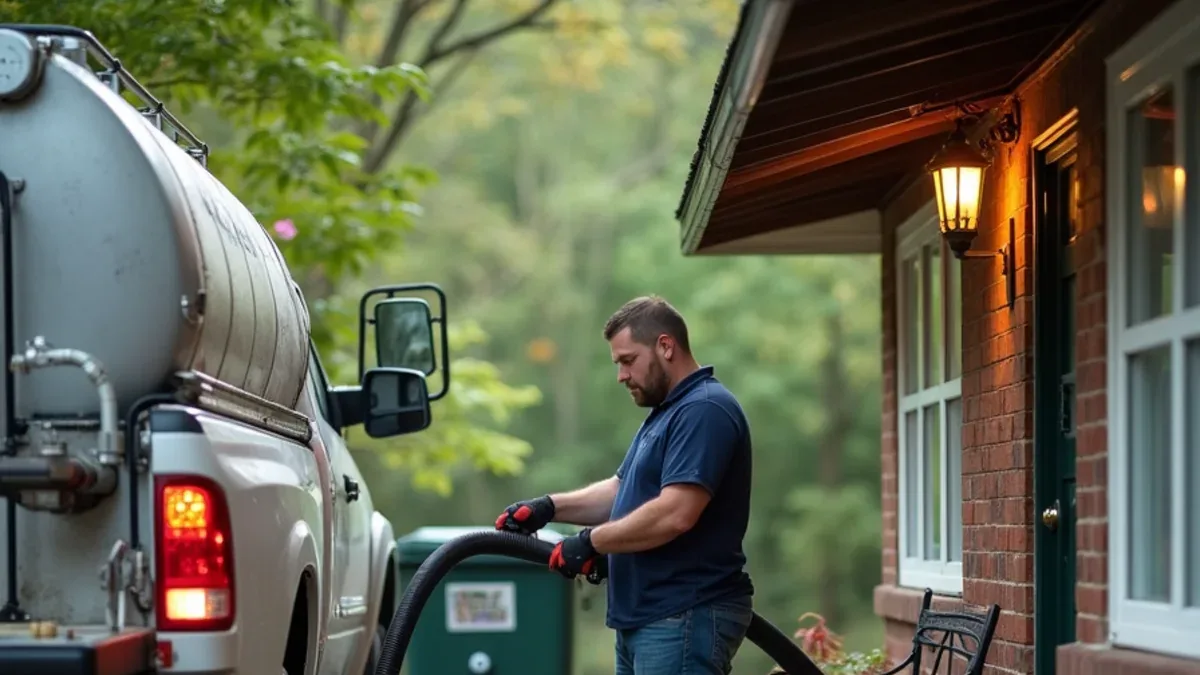
We service grease traps and interceptors for restaurants, cafeterias, churches, schools, and food manufacturing across Ooltewah, Collegedale, Chattanooga, and Cleveland. The work is scheduled around your service hours, not ours, and every pump-out comes with documentation.
If you are opening a new location, talk to us during buildout. Interceptor sizing and placement decisions made on paper are cheap; discovering the trap is undersized after opening is not.
Signs your grease trap needs service now
Slow floor drains or three-compartment sink
When the kitchen drains start backing up during a busy service, the trap is at or past capacity.
Odor in the kitchen or dish area
A trap holding grease past its cycle produces hydrogen sulfide. Staff notice it before customers do — listen to them.
Visible grease at the trap lid
Grease at or above the lid line means the trap is full and passing FOG straight into the sewer or septic line.
A notice from the city or health inspector
A citation is the expensive way to find out you are behind schedule. We can get you current and keep you there.
It has been more than 90 days
Most commercial kitchens need service every 30 to 90 days depending on volume. If you cannot name the last date, you are due.
Grease showing up downstream
If the line past the trap needs regular hydro jetting, the trap is not doing its job and the schedule needs tightening.
How we work
How commercial grease trap service works
- 1
Schedule around your service hours
Early morning, late night, or a slow weekday afternoon. We work when your kitchen is not, and we confirm the window in advance.
- 2
Full pump-out — not a skim
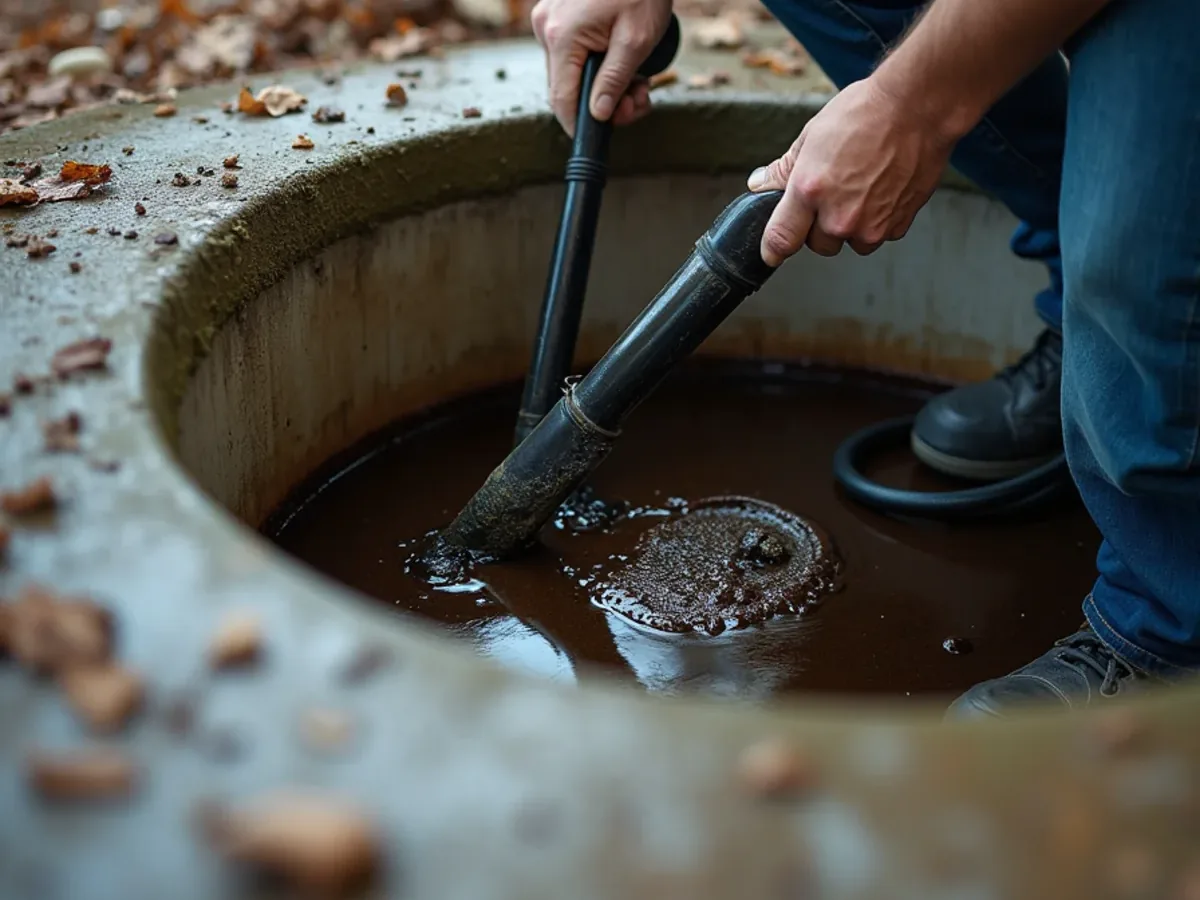
We remove the entire contents: the FOG layer, the water column, and the settled solids at the bottom. Skimming only the top is the shortcut that produces citations.
- 3
Scrape walls, baffles, and lid
Hardened grease clings to the walls and baffle. Scraping it out is what actually restores capacity, and it is the step most often skipped.
- 4
Inspect the interceptor
Baffles, tees, lid gaskets, and the inlet and outlet connections all get checked while the unit is empty and visible.
- 5
Verify flow
We run water through the unit and confirm the trap is drawing and discharging correctly before we close it up.
- 6
Documentation
You get a service record with the date, volume removed, and disposal details — the paperwork an inspector will ask for.
Need grease trap pumping in Ooltewah or nearby?
Free estimate, written price before work starts, and an honest answer about whether you need the job at all.
- Licensed septic technician
- 22 Google reviews
- Free estimates on every job
- Locally owned & operated
Staying compliant in Hamilton County
Local sewer authorities regulate fats, oils, and grease discharge, and food service establishments are expected to maintain their interceptors and keep records proving it. The specifics vary by jurisdiction and by whether you are on municipal sewer or on a septic system, so the practical advice is simple: keep every manifest, and keep them somewhere an inspector can see them in under a minute.
We provide a service record for every visit and can supply a consolidated history for an account at any time. If you have been cited and need to demonstrate a corrective schedule, we can get you on a documented cycle immediately.
One note for kitchens on septic rather than sewer: FOG is far more damaging to a septic system than to a municipal main. If your building is on septic, the trap is not a compliance formality — it is the only thing standing between your fryer and a failed drain field.
Keeping grease out of the trap in the first place
The best grease trap program starts at the prep line. Dry-wipe pans and plates before they hit the dish sink. Scrape solids into the trash rather than the disposal. Collect fryer oil in a rendering barrel — never down a drain, ever.
Train new kitchen staff specifically on this. It is the single most common failure point, because a new dishwasher who has never worked a station with an interceptor will pour a stockpot of hot fat down the drain without a second thought.
Watch your hot water temperature at the dish sink too. Very hot water pushes liquefied grease through the trap and lets it congeal in the line downstream, which is how you end up needing the sewer line jetted every few months.
What determines grease trap service cost
Commercial pricing is set per unit and per schedule, and we quote it in writing before the first visit. Free estimates for new accounts.
- Trap size and type
- A 50-gallon under-sink unit and a 1,500-gallon outdoor interceptor are entirely different jobs in time, equipment, and disposal volume.
- Service frequency
- Accounts on a regular 30-, 60-, or 90-day cycle are priced better than one-off emergency calls, because we can route them efficiently.
- Volume of FOG removed
- Disposal is charged by volume at the receiving facility, so a trap that is genuinely overdue costs more to service than one on schedule.
- Access
- An outdoor interceptor the truck can pull alongside is fastest. Units in a basement, inside a mechanical room, or behind a locked alley gate take longer.
- Time of service
- Overnight and pre-dawn windows carry a premium over standard hours. Many kitchens find it worth it.
- Line cleaning add-ons
- If the downstream line needs jetting, we quote that separately rather than folding it into the trap price.
We do not publish flat prices because two jobs on the same street can cost different amounts, and a quoted number that changes on arrival helps nobody. Every job starts with a free written estimate.
Questions
Grease Trap Pumping in Ooltewah — answered
Most commercial kitchens fall in a 30- to 90-day cycle. The widely used benchmark is to service the trap before the FOG and solids reach a quarter of the unit's total depth. High-volume fryer operations often need monthly service, while a low-volume café can sometimes stretch to quarterly. We set your interval from what we actually pull out on the first few visits.
Yes, with every visit. You get the service date, the volume removed, and disposal information. We can also supply a consolidated account history whenever you need it for an inspection or a permit renewal.
Yes. We schedule around your service hours — before opening, after close, or during a slow window. The kitchen sinks and floor drains cannot be used while the trap is open, which is typically under an hour for a standard unit.
They do not remove grease, they emulsify it. That means the FOG passes through the interceptor and solidifies further down the line, which trades a scheduled pump-out for an unscheduled sewer blockage. Most sewer authorities discourage or prohibit them. Regular mechanical pumping is the only method that actually removes the material.
Call us. An overflowing interceptor during service is an emergency and we prioritize it. Shut down the affected sinks and floor drains, keep staff clear of the area, and have the trap location and approximate size ready when you call so we bring the right equipment.
You might also need
Hydro Jetting
Grease-coated kitchen lines, sludge-packed sewers, and roots that keep coming back. Jetting cleans the pipe instead of just opening a hole through it.
Learn moreSeptic Maintenance Plans
A maintained septic system costs a few hundred dollars every few years. A neglected one costs tens of thousands. We keep you on the right side of that math.
Learn moreDrain Cleaning
Kitchen, bathroom, laundry, or main line. We clear it mechanically, confirm the line is open, and find out what caused it.
Learn more
Grease Trap Pumping — free estimate, fair price
Call and describe what you are seeing. We will tell you what it usually means, what it will take to check, and what it is likely to cost.
- Licensed septic technician
- 22 Google reviews
- Free estimates on every job
- Locally owned & operated