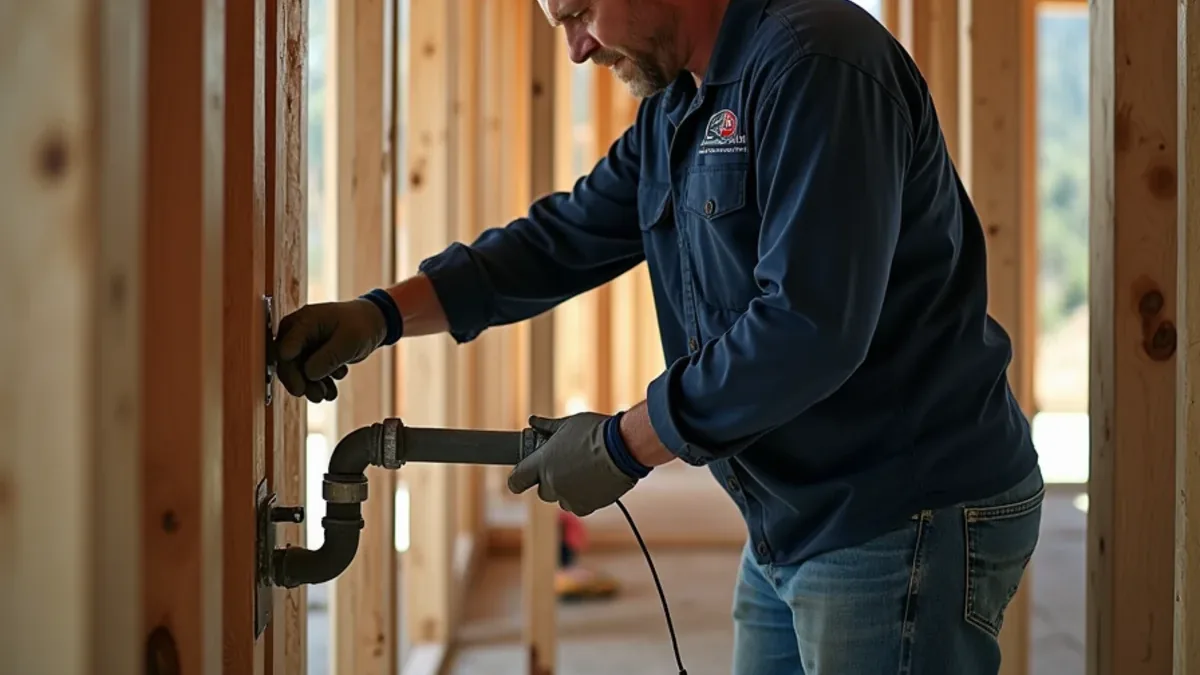
The leaks that cost the most are the ones nobody sees. A supply line weeping under a slab or inside a wall can run for months, and by the time there is a stain on a ceiling, the damage behind it is well established.
Here are the five signals worth taking seriously, and what each one usually means.
1. A water bill that jumped for no reason

The clearest single indicator. Compare against the same month last year rather than last month, so irrigation season does not confuse the picture.
Confirm it with the meter test: shut everything off and watch the low-flow indicator. If it moves, water is escaping. Our article on why your water bill is so high walks through the full sequence.
2. The sound of running water with everything off
Stand in a quiet house late at night with every fixture closed. A faint hiss or trickle in a wall or under the floor is one of the most reliable indicators there is.
It is easy to dismiss as the house settling or a neighbor's plumbing. It is usually neither.
3. A warm spot on the floor

A hot water line leaking under a concrete slab heats the concrete above it. Walk barefoot across your floors and you will find it if it is there.
This is close to diagnostic. Ordinary floors do not have warm patches, and this one points squarely at a slab leak on the hot side.
4. Pressure that has dropped across the whole house
One weak fixture is a clogged aerator. Every fixture weaker than it used to be means the system is losing pressure somewhere.
A leak bleeds pressure off continuously. In older homes, corroded galvanized pipe produces the same symptom, so the distinction matters — a leak also shows on the meter test, and corrosion does not.
5. A musty smell, or mold that keeps coming back
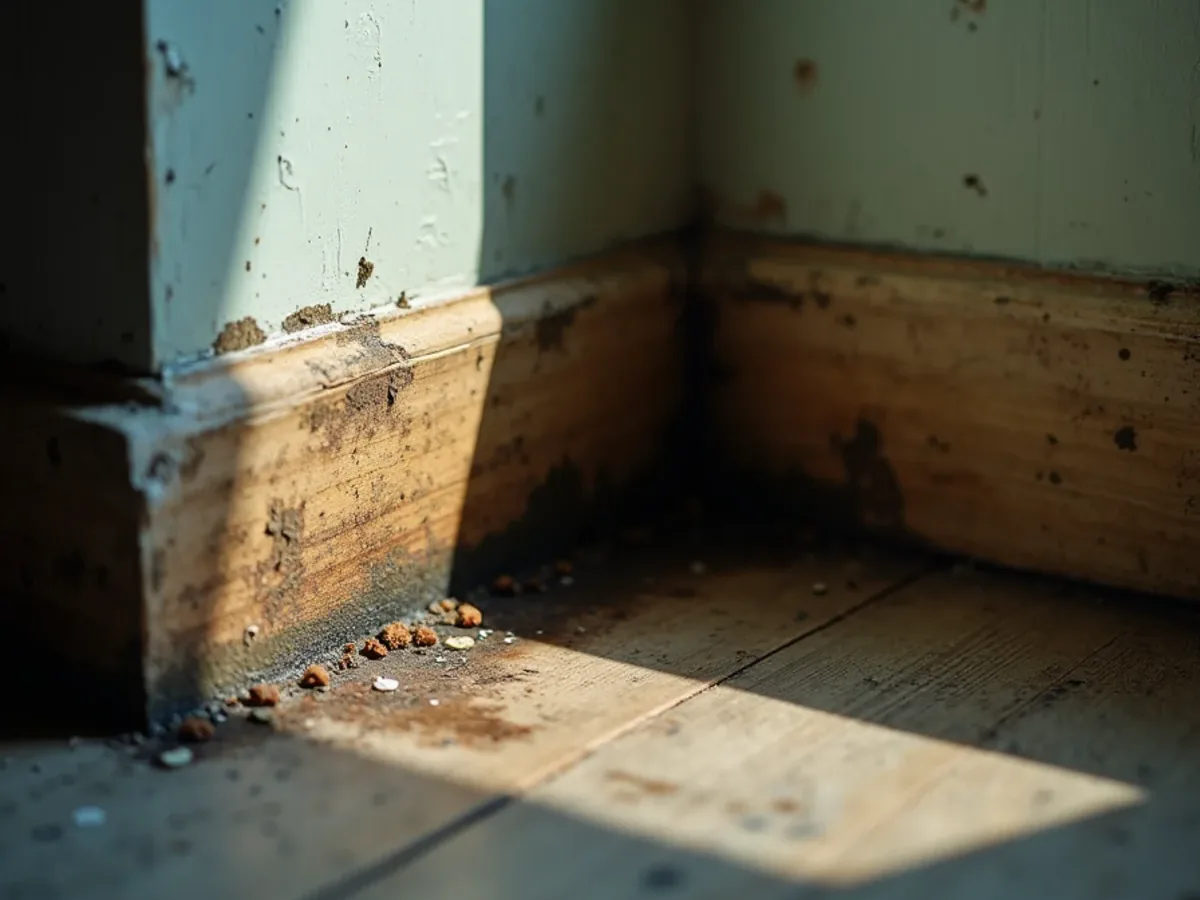
A slow leak inside a wall or under flooring creates exactly the conditions mold needs, in a place with no air movement. The smell arrives long before any water is visible.
If you have a room that smells musty in dry weather, or a patch of mold that returns however often you clean it, there is a moisture source behind it.
Why hidden leaks happen
In this area the most common cause is pinhole corrosion in copper supply lines, particularly under slabs. Soil chemistry, stray electrical current, and abrasion where a line rubs against concrete all thin the copper wall until it perforates.
Hot-water lines fail more often than cold, because heat accelerates the chemistry and the pipe expands and contracts against the slab with every use cycle.
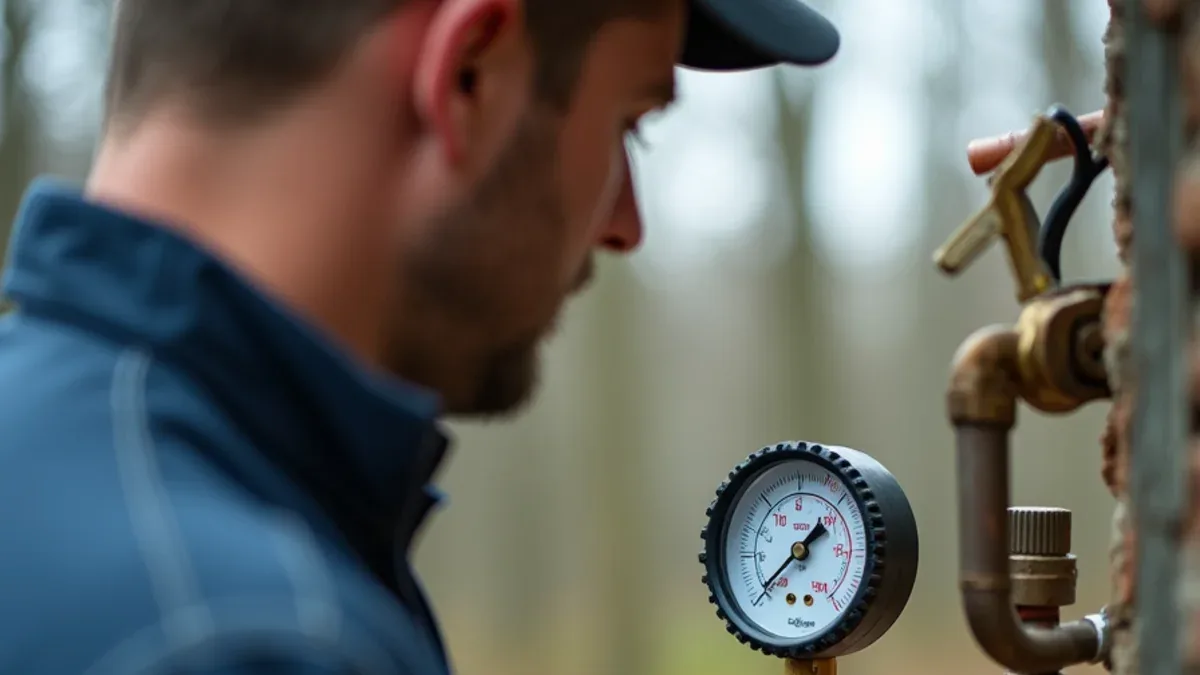
High water pressure accelerates all of it. Static pressure above roughly 80 psi stresses every joint and fitting continuously, and a pressure-reducing valve is inexpensive relative to what it prevents. If you have never checked your pressure, it is a five-minute test with a gauge from any hardware store.
How we locate one
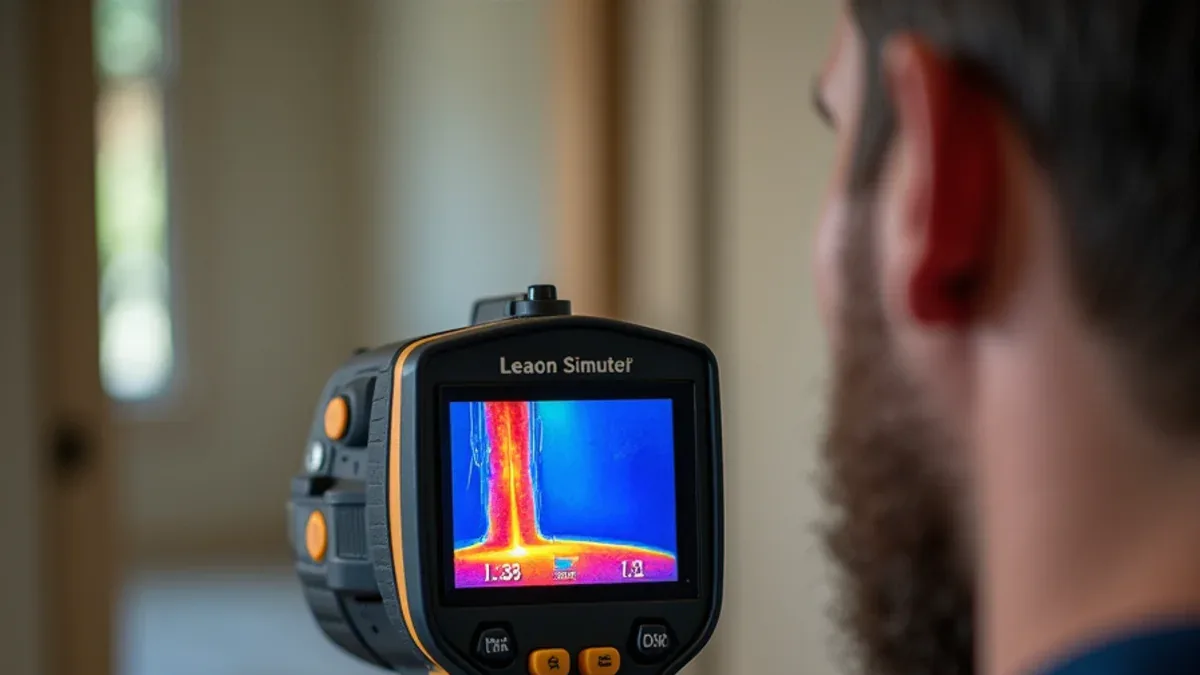
Acoustic listening equipment detects the sound of water escaping a pressurized line through concrete or drywall. Thermal imaging shows the heat signature of a hot-water leak without touching anything. Pressure isolation identifies which section of the system is losing water.
Between them we can usually mark a small area, and then the repair is targeted rather than exploratory. Full detail on our leak detection page.
One leak or a systemic problem?
This is the question worth asking before you spend. A single pinhole in an otherwise healthy system is a spot repair.
Three pinholes in two years in a thirty-year-old copper system means the whole system is at the same point in its life, and the next one is already forming. At that stage, rerouting or repiping usually beats continuing to chase individual failures.
We locate and repair hidden leaks across Ooltewah, East Brainerd, Lookout Mountain and the surrounding area, and we will give you an honest read on which situation you are in.
Frequently asked
Need someone to actually look at it?
We are a licensed plumber and septic technician based in Ooltewah, serving Hamilton, Bradley and the surrounding counties. Free estimates on every job, and an honest answer about whether you need the work at all.