Ooltewah and Collegedale take in a lot of people from elsewhere, and a house here can work differently from what they are used to. Wells, septic tanks, crawlspaces and hard water are all normal locally and unfamiliar to plenty of buyers.
Here is what to establish in your first month. Most of it takes minutes.
1. Find the main water shutoff
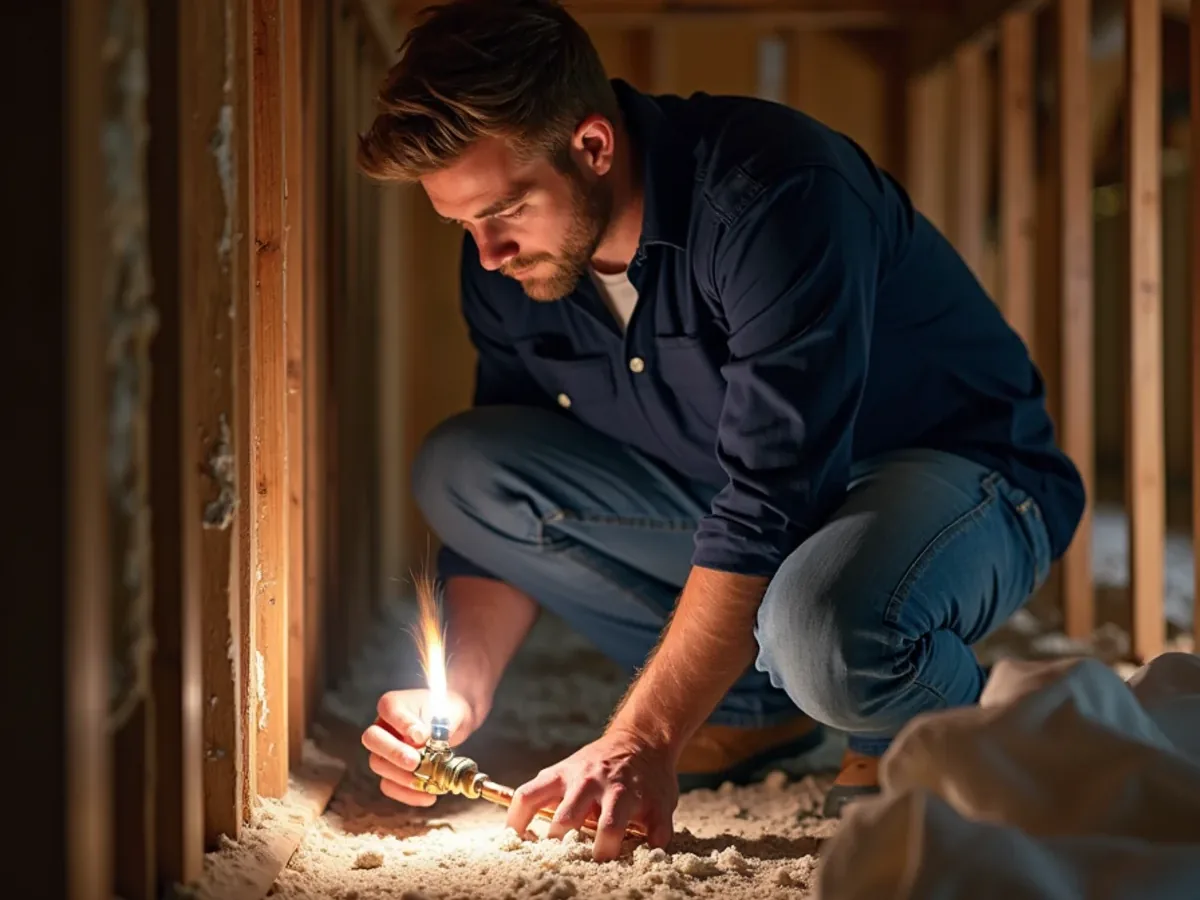
Before anything else. It is usually where the service line enters — a crawlspace, a basement, a utility closet, or a meter box near the street.
Confirm it actually turns. A valve that has not moved in fifteen years sometimes will not, and finding that out during a burst pipe is the worst possible moment. Then show everyone in the house, including teenagers and anyone who might house-sit.
2. Establish whether you are on septic
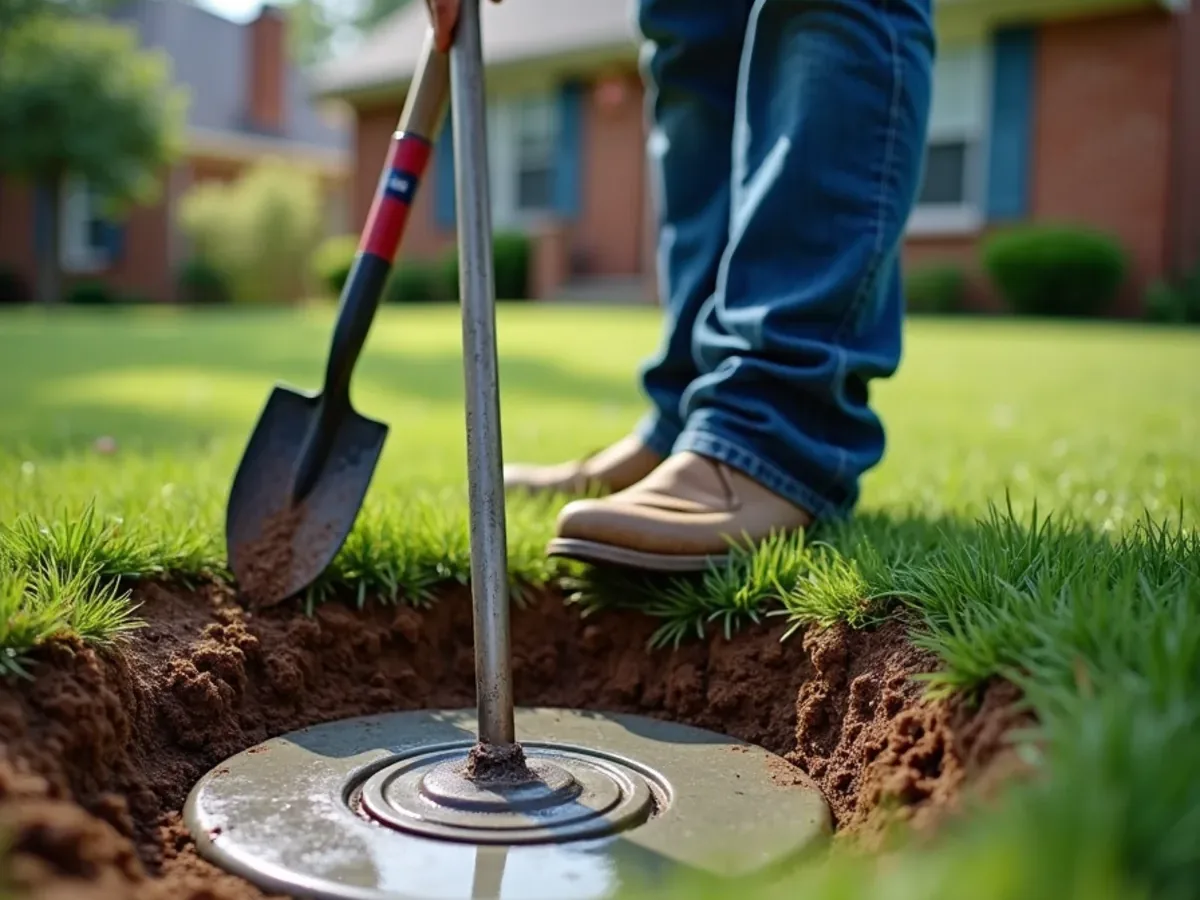
Check your utility bill for a sewer charge. No charge means a septic system, and the whole thing belongs to you.
If you are on septic, find out three things: where the tank is, when it was last pumped, and whether there is a permit or as-built drawing in your closing paperwork. Many rural sellers have none of it, which is normal rather than alarming — but it means starting the record yourself.
A first pump-out and inspection establishes the tank position, its condition, and a measured interval. That is genuinely worth doing in year one rather than year five.
3. Check the water heater's age
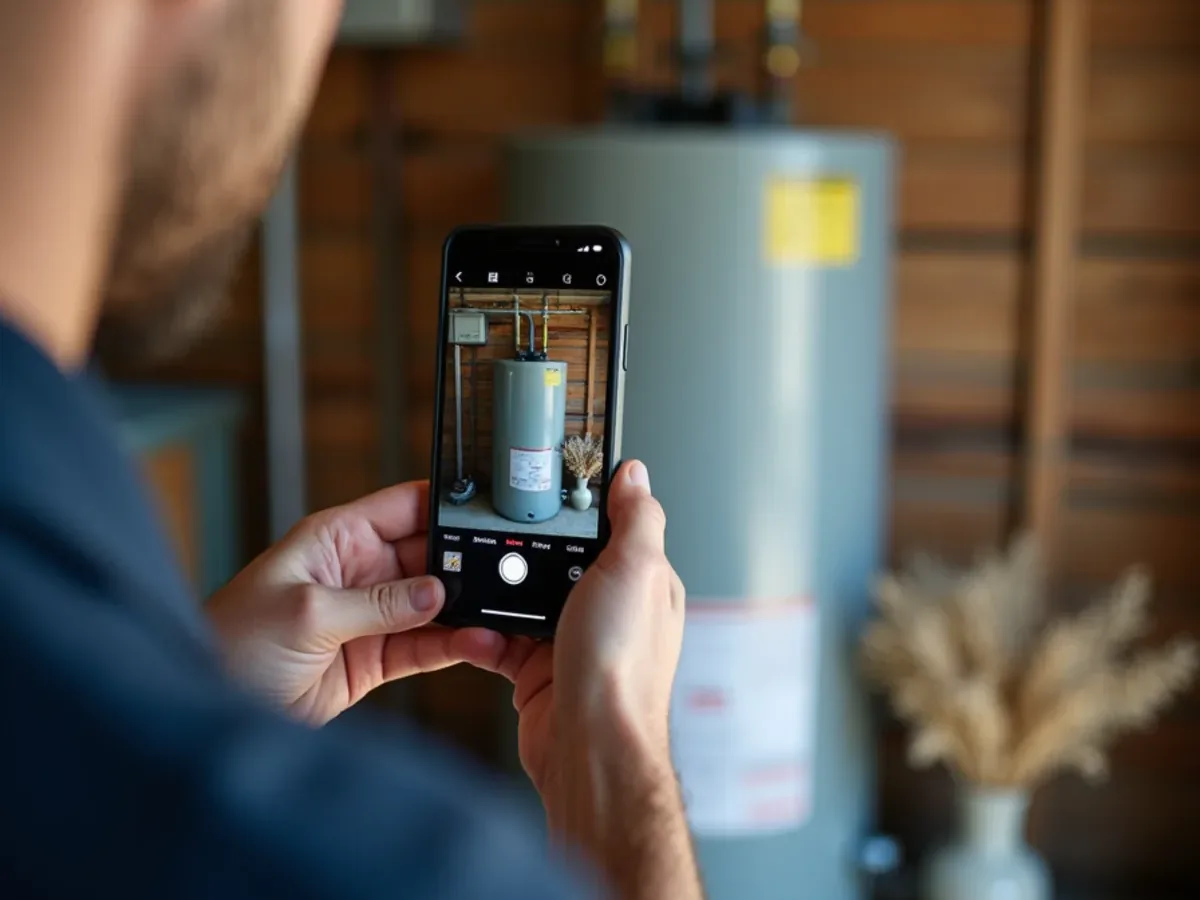
The serial number on the data plate encodes the manufacture date, usually in the first four characters. Search the brand plus "serial number date code" and you will decode it in a minute.
Past twelve years, start planning. A tank that fails does not drip — it empties, usually into a garage or a closet. Replacing on your schedule is far cheaper than at 6am on a Saturday.
4. Test your water pressure
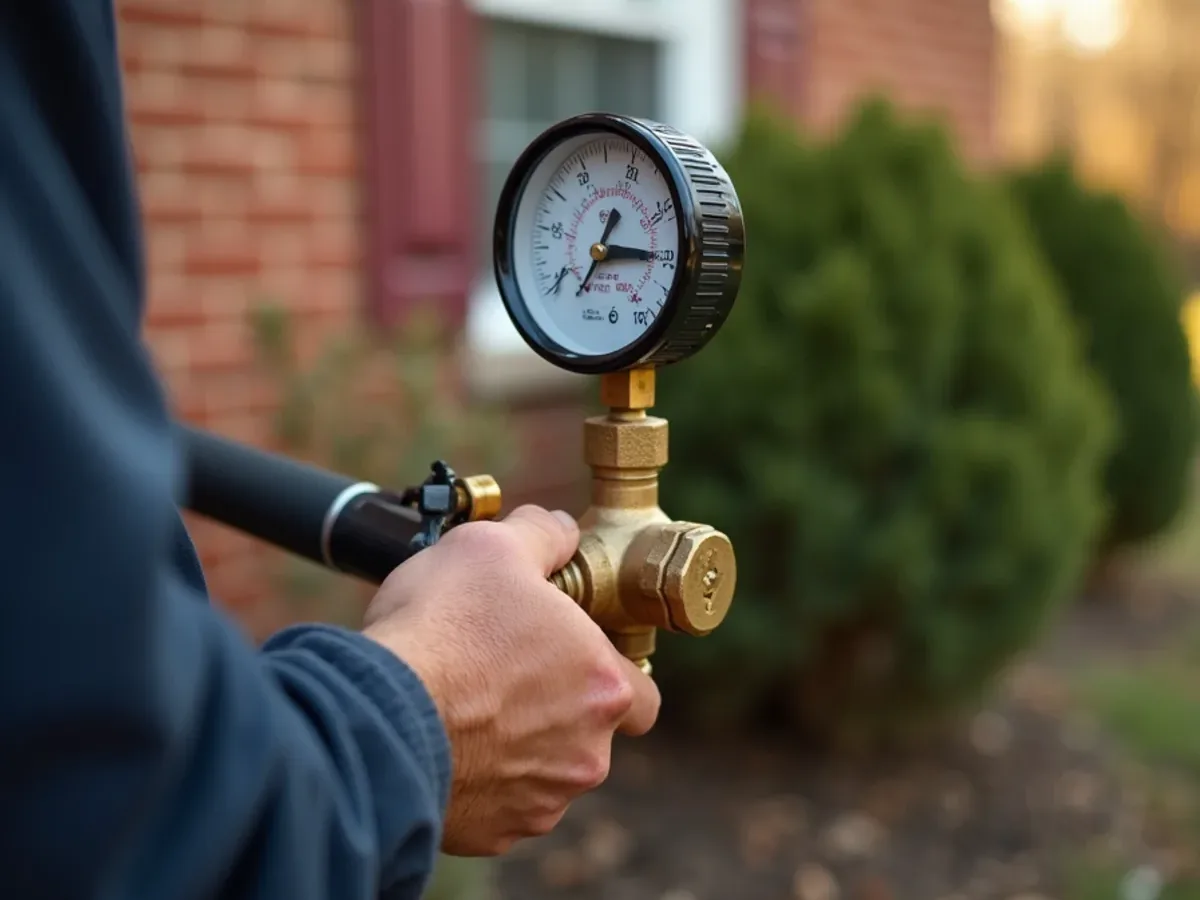
A gauge that screws onto a hose bib costs very little. Somewhere between 45 and 70 psi is normal.
Above 80 psi is worth acting on — it stresses every joint and appliance continuously and shortens the life of everything. Below 40 and something is restricting. Our article on what causes low water pressure covers the diagnostic sequence.
5. Find out what pipe you have
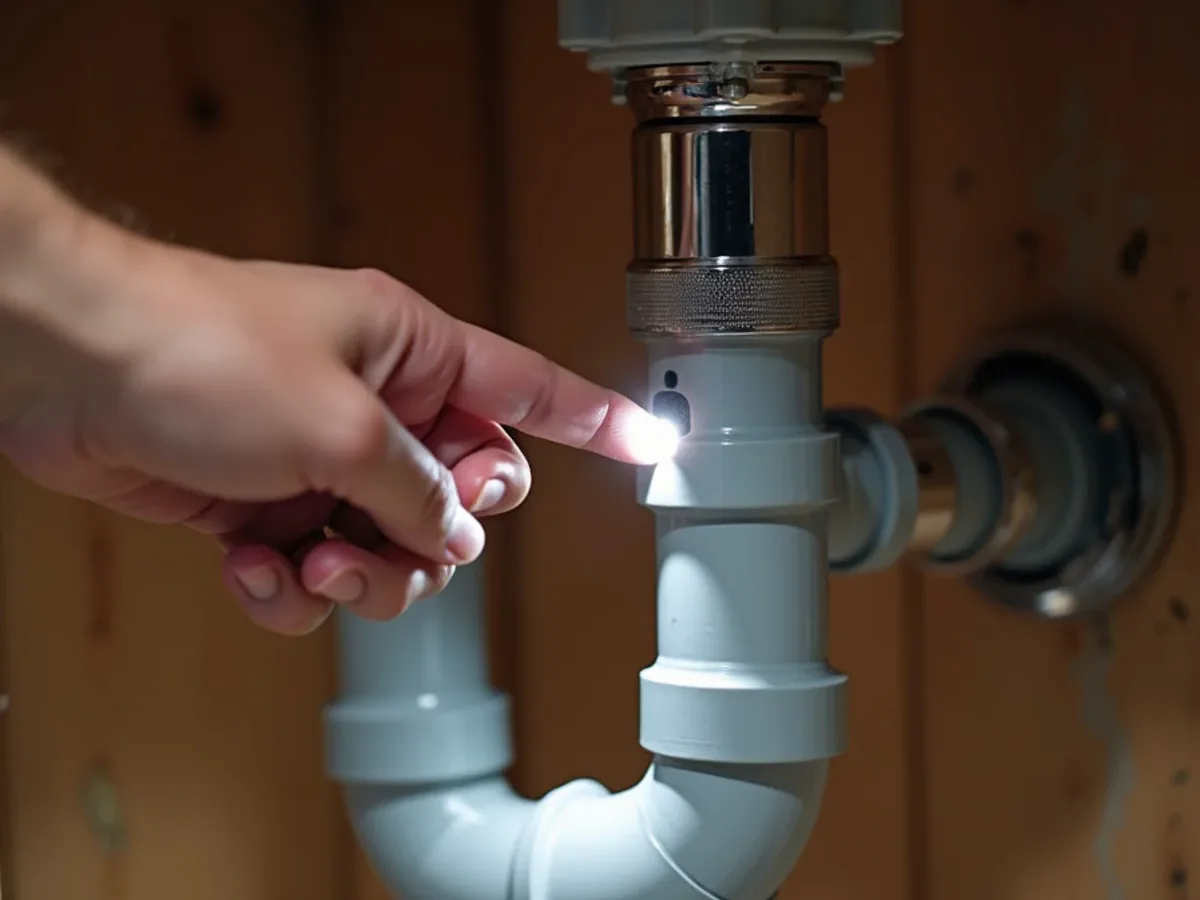
Look at the supply stub-outs under a bathroom sink or at the water heater.
Grey flexible plastic stamped "PB2110" is polybutylene, used between roughly 1978 and 1995. It fails suddenly at fittings, some insurers take a dim view of it, and it is worth planning a replacement rather than waiting. Galvanized steel means an older house and gradually declining pressure. Copper and PEX are both fine.
6. Do the toilet test
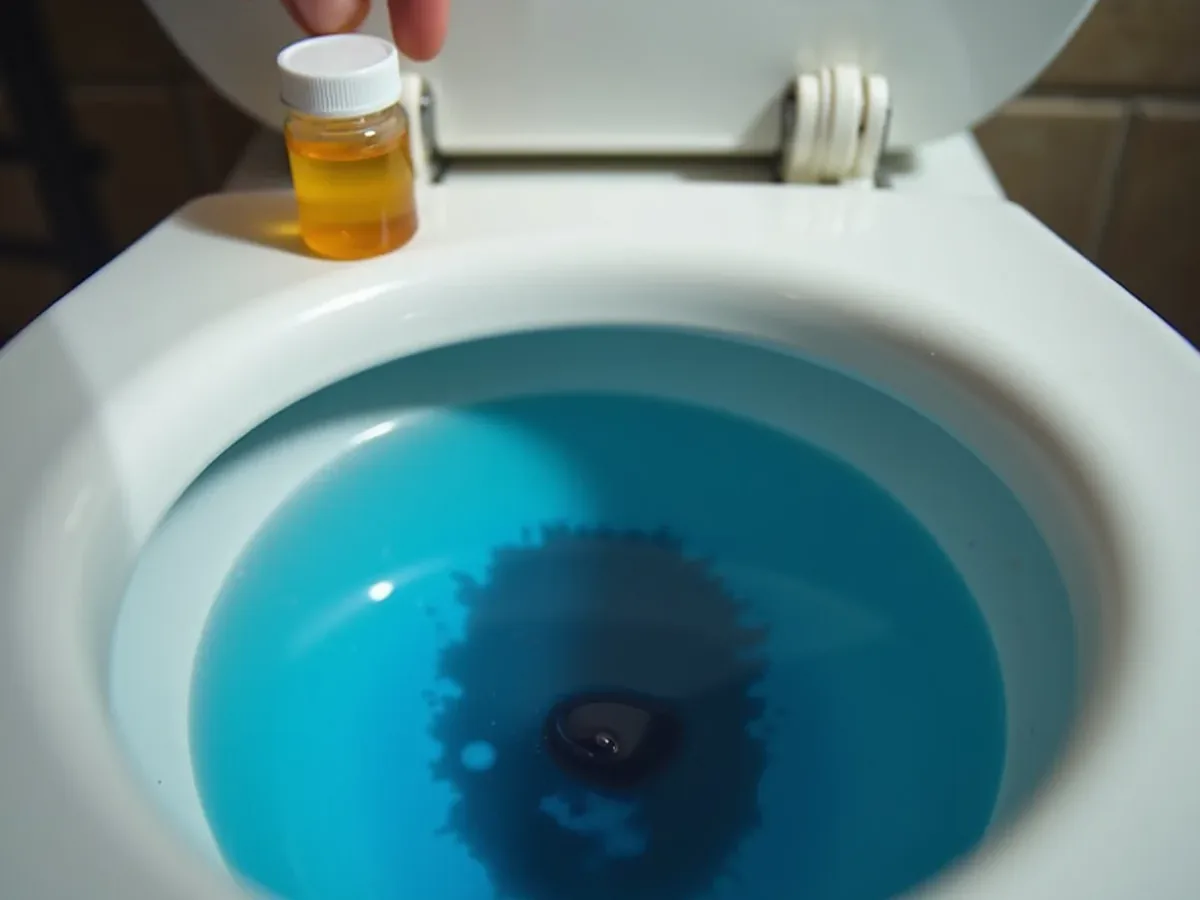
A few drops of food coloring in each tank, no flushing, check back in fifteen minutes. Color in the bowl means a leaking flapper.
A silent runner can pass hundreds of gallons a day. On septic it is worse than a bill issue — that water goes straight into your drain field.
7. Understand the hard water
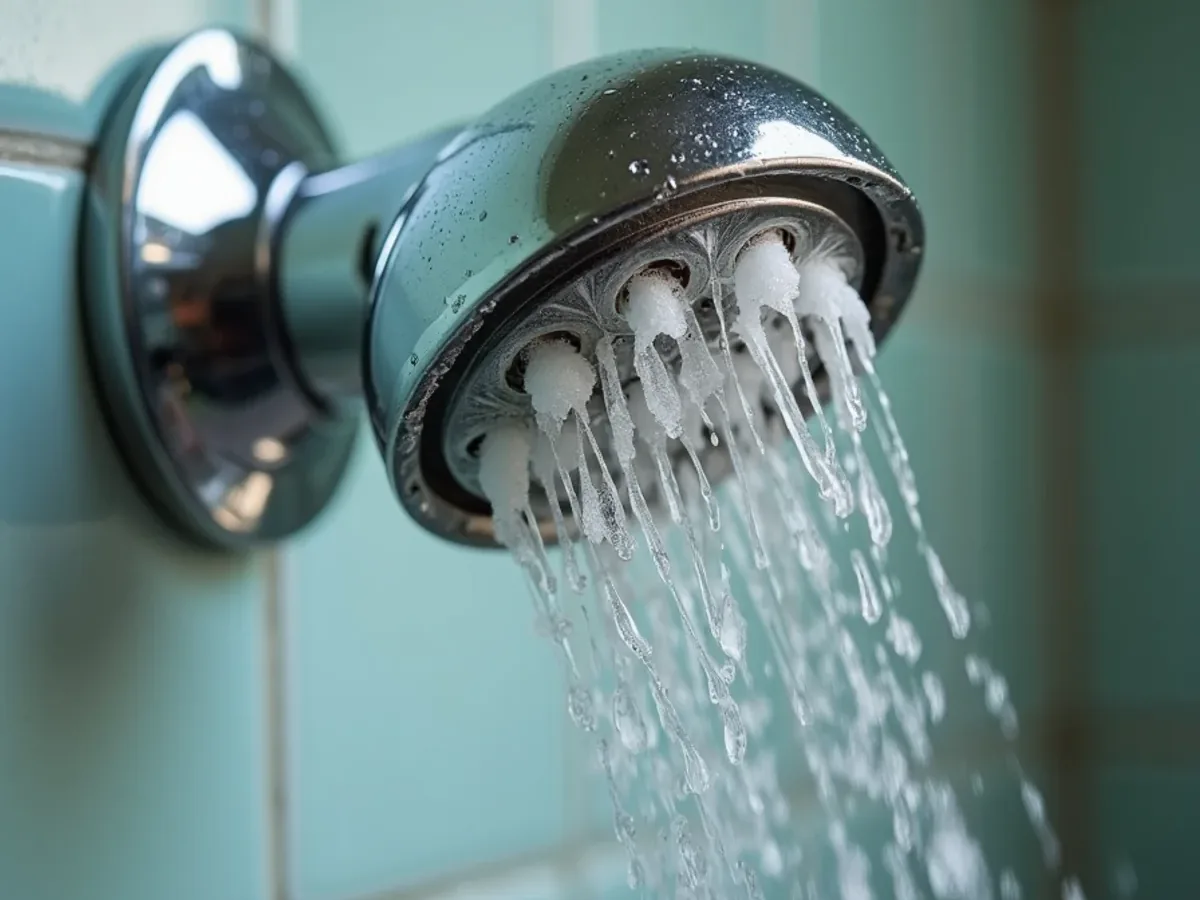
Hard water is a well-documented reality across this area. It scales fixtures, shortens water heater life, and wears faucet cartridges early.
Before buying any equipment, get the water tested — we do it free. Then decide between a whole-home softener, a drinking-water unit at the kitchen tap, or both. Our article on hard water in the Chattanooga area covers what it costs you.
8. If you are on a well
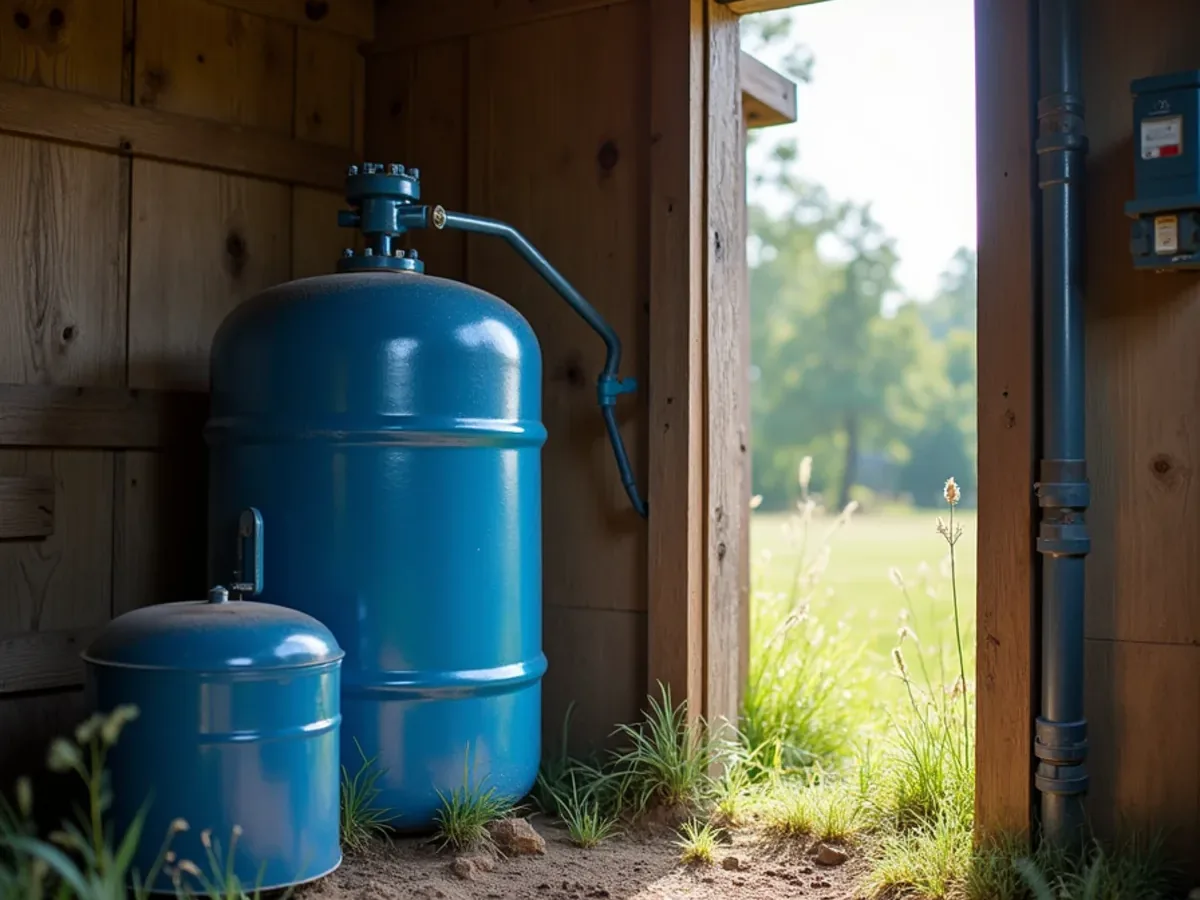
Test for bacteria and nitrates now rather than waiting. Find the pressure tank and check its air charge. Learn where the breaker and any disconnect are.
The failure that quietly destroys pumps is a waterlogged pressure tank causing rapid cycling. If your pump starts and stops every few seconds during normal use, that is not the pump acting up — it is the pump being destroyed. Our well pump page has the sequence.
Before your first winter
Disconnect every hose. Insulate pipe in the crawlspace. Know where the shutoff is. Houses here are built for mild winters, which is exactly why a three-day cold snap breaks them — our guide on preventing frozen pipes covers the list.
We work across Ooltewah, Collegedale and the surrounding communities. If you would rather have somebody walk the house with you in your first month, that is a call worth making — and the estimate is free.
Frequently asked
The main water shutoff — find it, confirm it turns, and show everyone in the house. A seized valve discovered during a burst pipe is the worst possible timing, and replacing it on an ordinary day is a small job.
Check your utility bill for a sewer charge. No charge means a private septic system, and there will be tank lids somewhere in the yard. If you are on septic, find out where the tank is and when it was last pumped — and if nobody knows, a first pump-out and inspection establishes both.
It is worth doing for hardness, which is a genuine issue across this area and affects what equipment makes sense. We test free. On a private well, testing for bacteria and nitrates is not optional — do it in your first month rather than waiting for an annual date.
Need someone to actually look at it?
We are a licensed plumber and septic technician based in Ooltewah, serving Hamilton, Bradley and the surrounding counties. Free estimates on every job, and an honest answer about whether you need the work at all.